Project 04
2024
McSweeney Mysteries
A miniature escape room to help engagement and teamwork.
My final project in university, McSweeney Mysteries is a set of escape rooms contained within a box created for a new way to teach history, engage students, and aid collaboration and communication.
Concept
The McSweeney Mysteries is a portable escape room experience to teach Scotland's history to primary school children. The aim of the box is for encouraging engagement, collaboration, and to explore a new way of thinking. A prototype was taken into a school and tested with it's pupils.
Background
I had worked as a games master at an escape room business in Edinburgh for 2 years. During my time there, I'd hosted lots of school groups, the pupils responded very well to the rooms, approaching them with determination and excitement. However the schools that came in were almost always private schools based locally. I though about my own primary school, despite being only 40 minutes away, we wouldn't have the budget or time to organise a trip down to an escape room. There would be a much bigger problem for rural schools elsewhere in Scotland.
Research has shown that theres a continual need for innovation in education and game based learning is becoming an ever more frequent method of engagement and alternative teaching in modern schools. There's also a push for transferrable '21st century skills', these are skills often split into 'The 4 Cs': critical thinking, communication, collaboration, and creativity". Escape rooms have the benefit of being flexible and personalised in their themes and levels of difficulty, meaning an educational escape room could be adapted to fit in with curriculum, and the puzzles themselves are often based on reading comprehension and maths skills, meaning they're able to be changed to be more complex based on the audience.
Outcome
How it works.
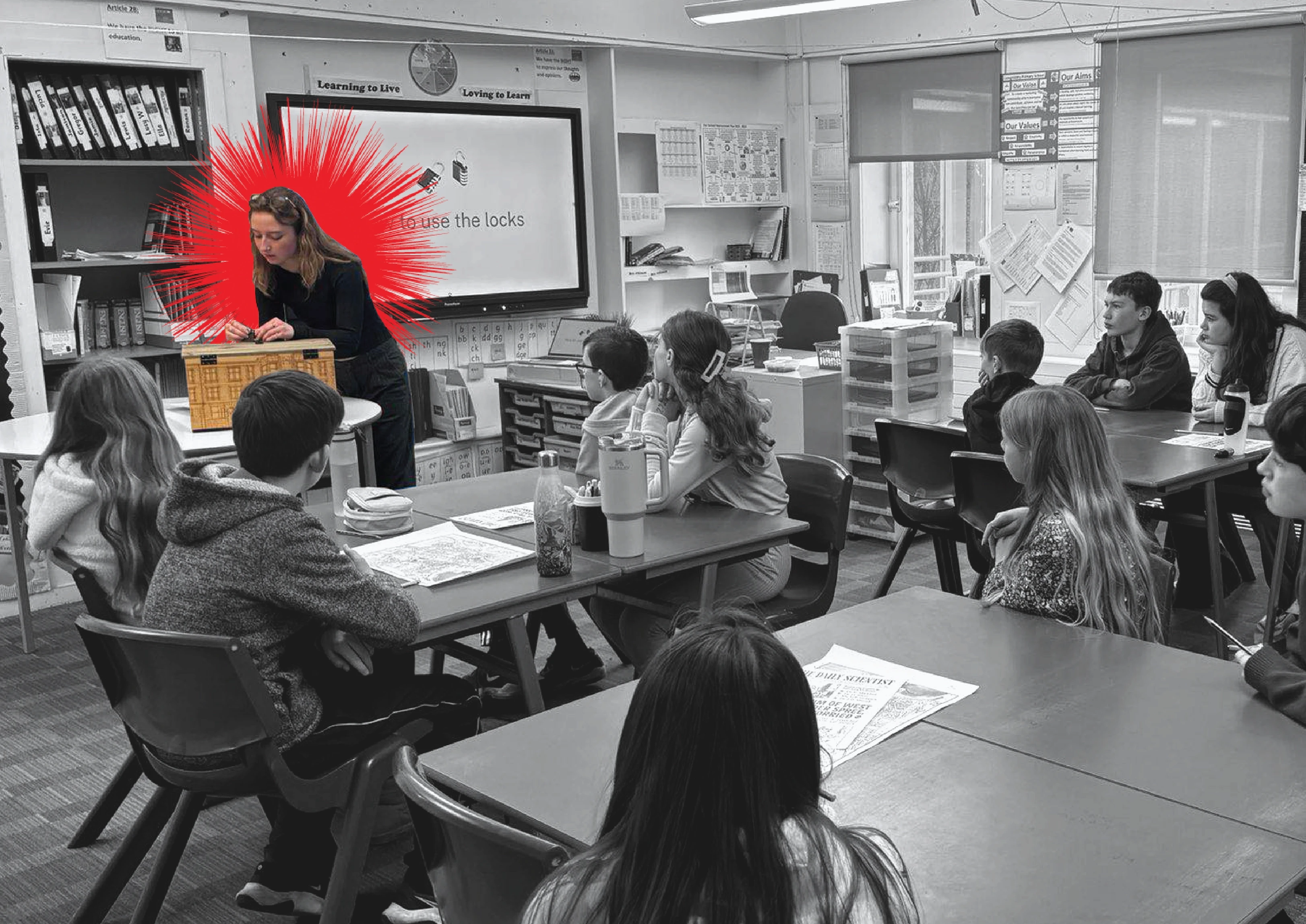
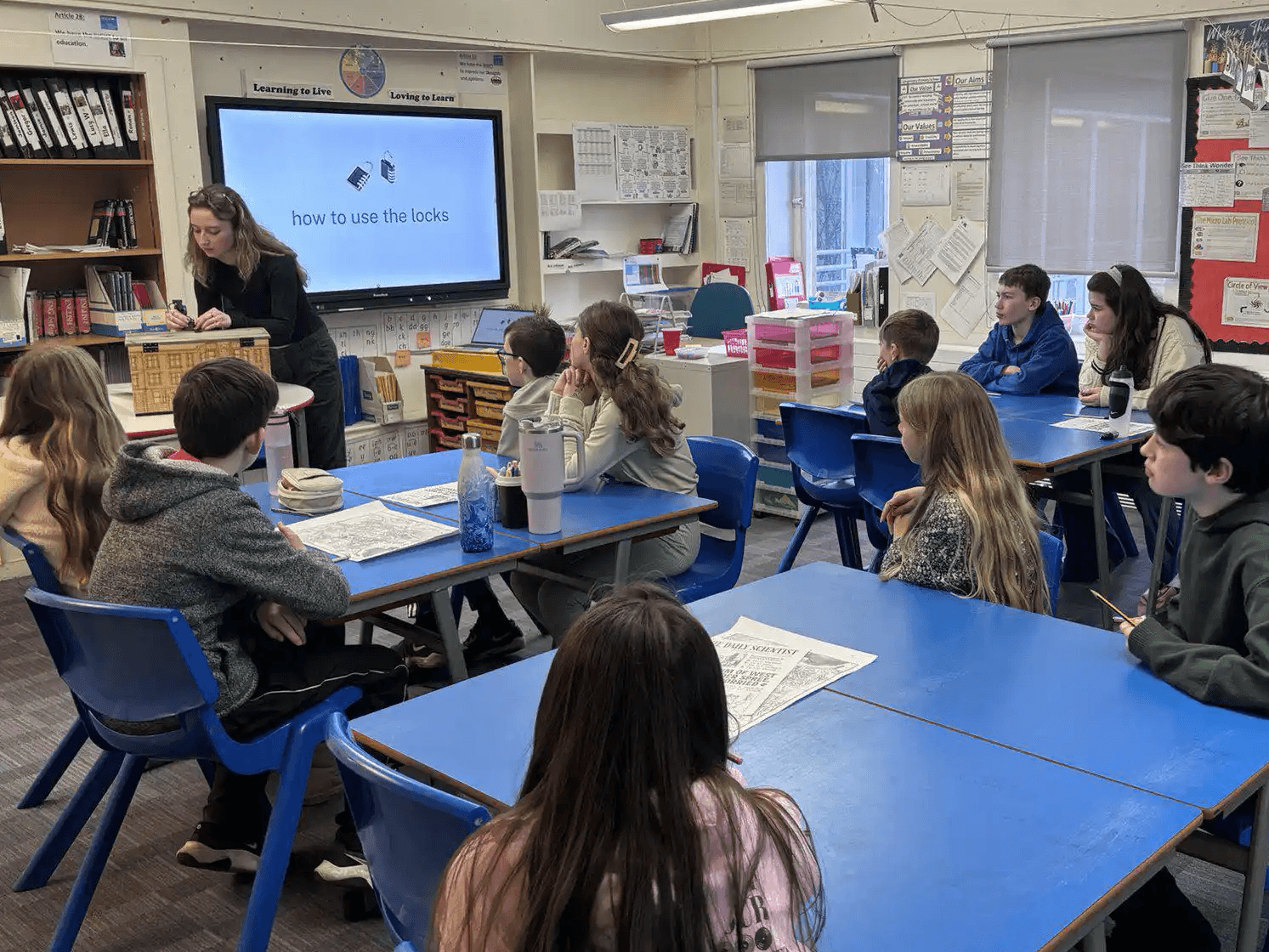
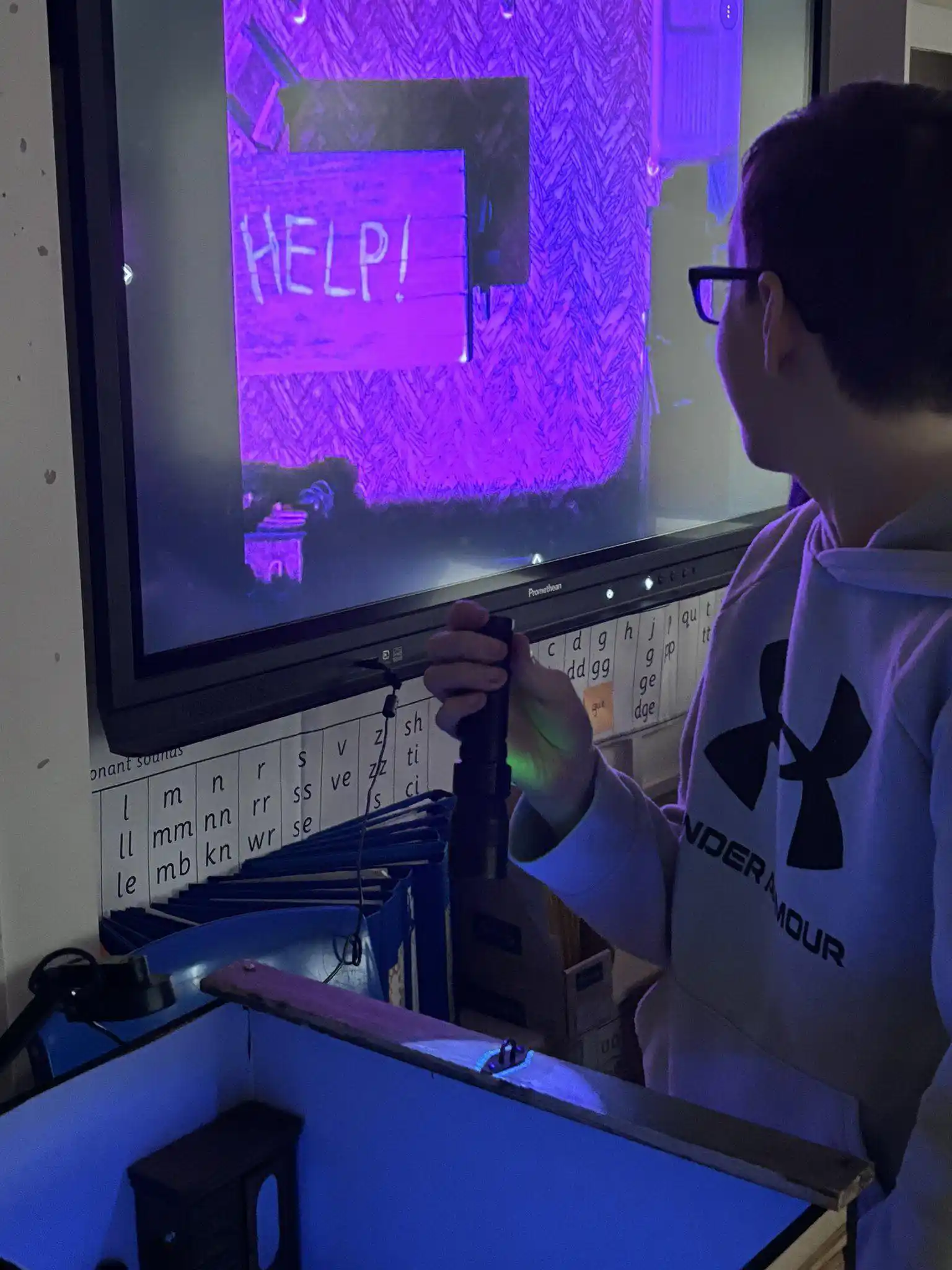
First the pupils are split into groups and theres a quick presentation explaining what they're about to do, how to use the locks, and the aims of the lesson (e.g. 'the 4 Cs' explained above). Each group is then given the relevant starting materials/puzzles and they begin. As they play through they can ask for hints from the games master that runs the games and makes sure they go smoothly, they'd also make sure that any games are played to hit the relevant curriculum areas. Each group gets an opportunity to interact with the box throughout the game, whether to use a UV light or unlock a box.
How it's made.
The boxes are made from MDF with a laser cut illustration on the front. The furniture inside is a mixture of my own doll house furniture from my childhood and a couple of pieces from eBay. The walls in the first box are sugar paper with an illustration printed on them, and the puzzles were printed on a mix of 150gsm Khadi Rag paper, a handmade, medium - rough textured paper), newsprint, and standard printer paper. Most items materials were printed at home with a standard inkjet printer, and larger pieces printed using the universities A3 printer.
(Mockups have been used below but the printed items can be seen in the videos).
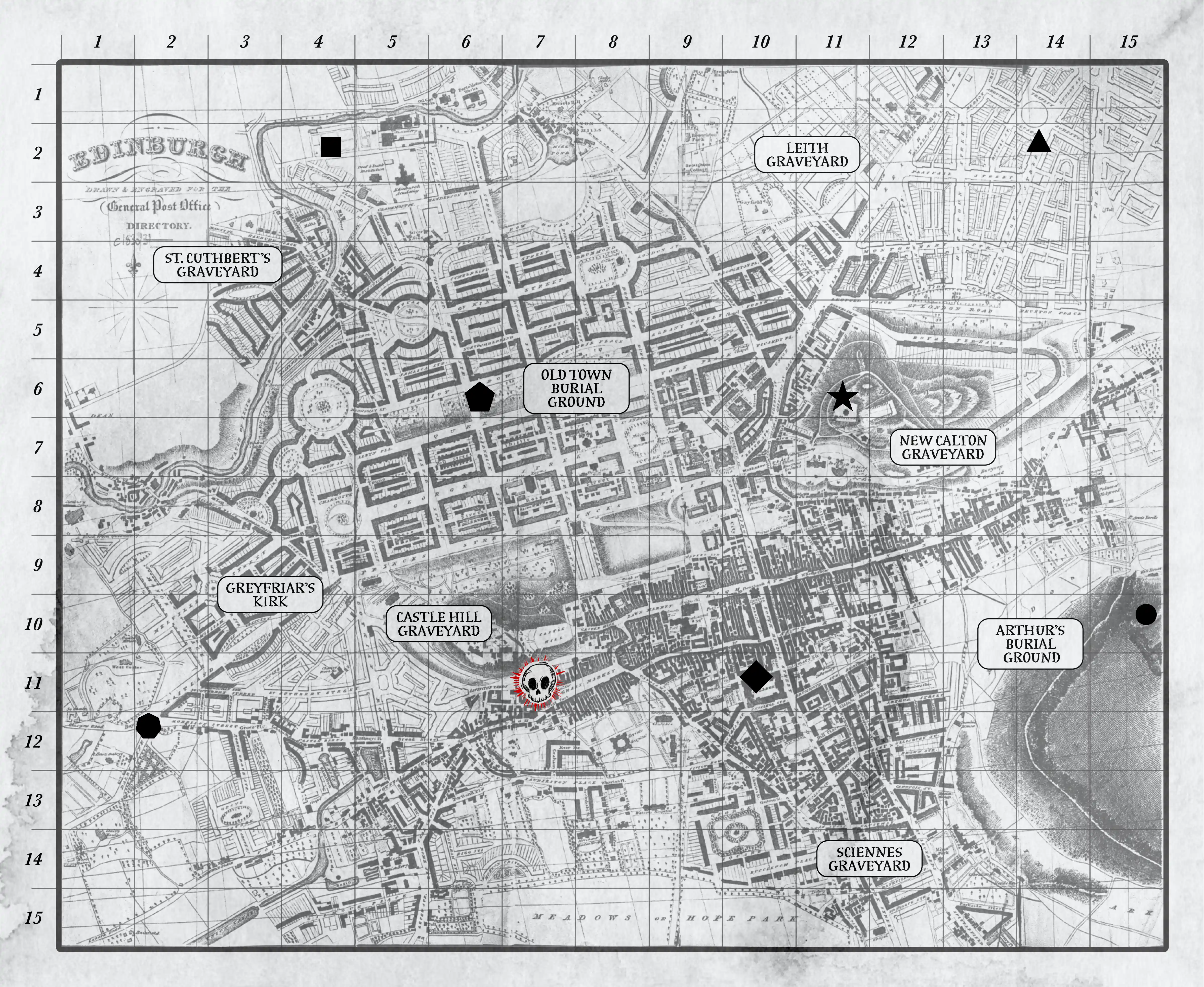
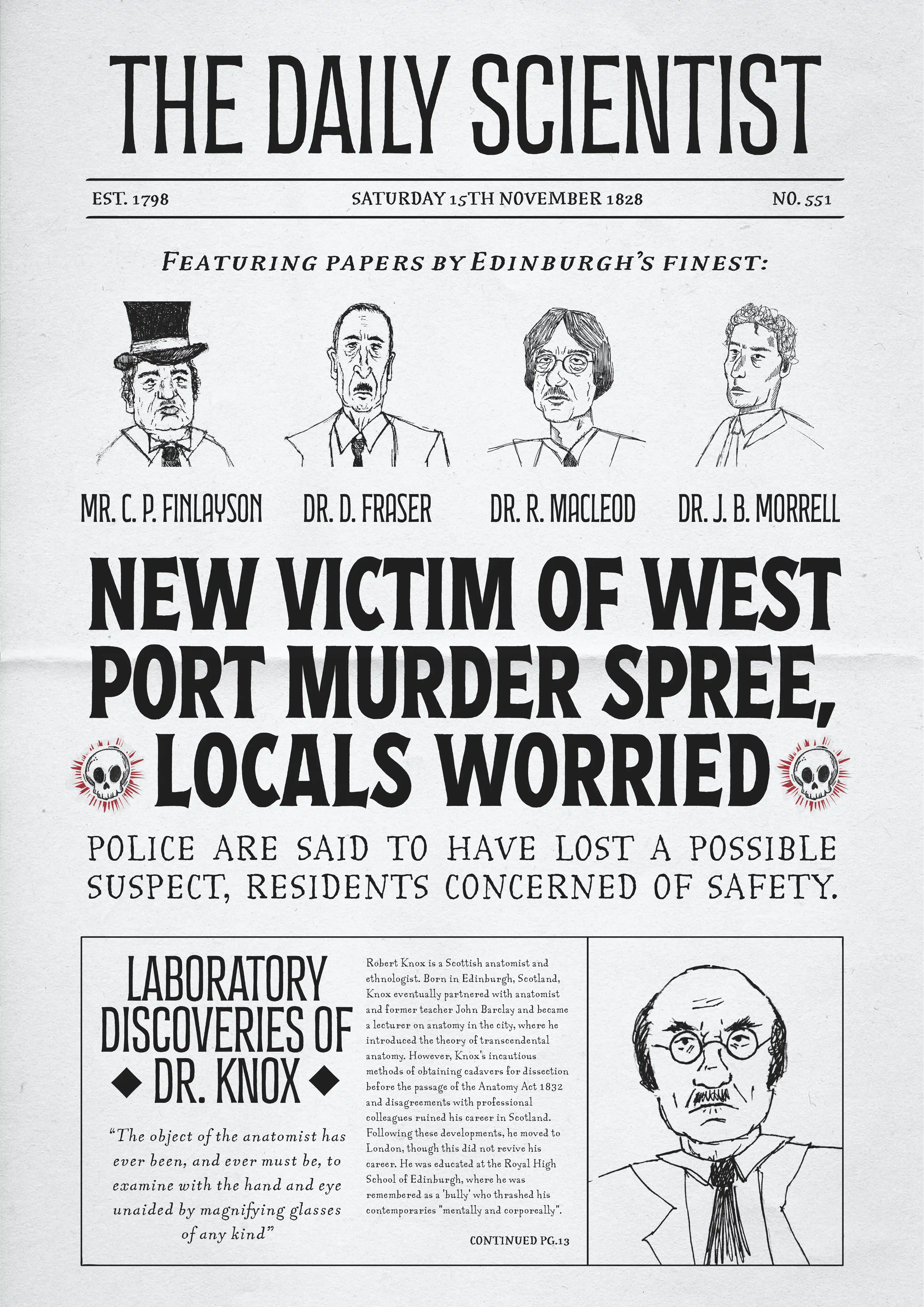
Box 1: Murders in West Port (Burke and Hare)
The Backstory:
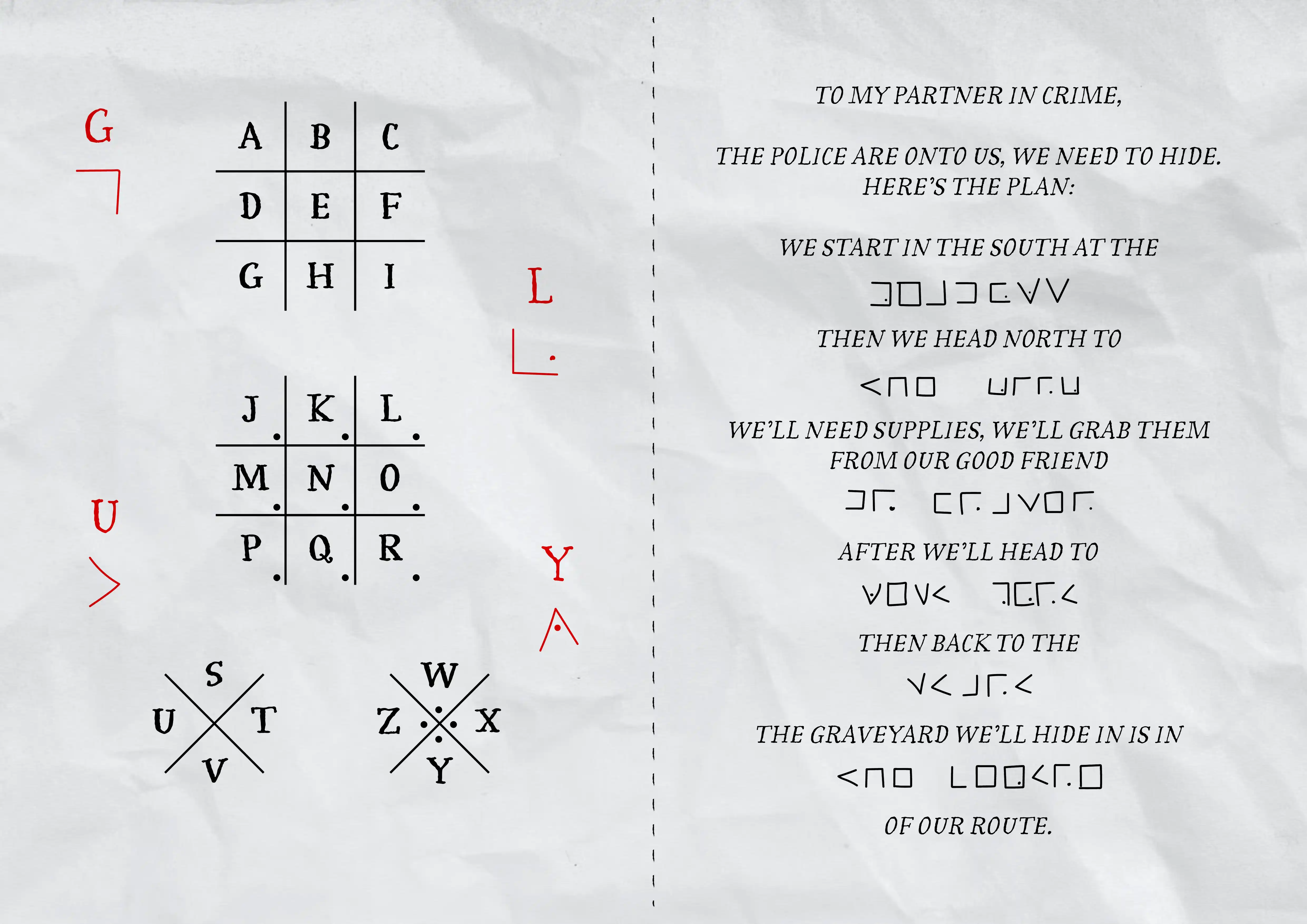
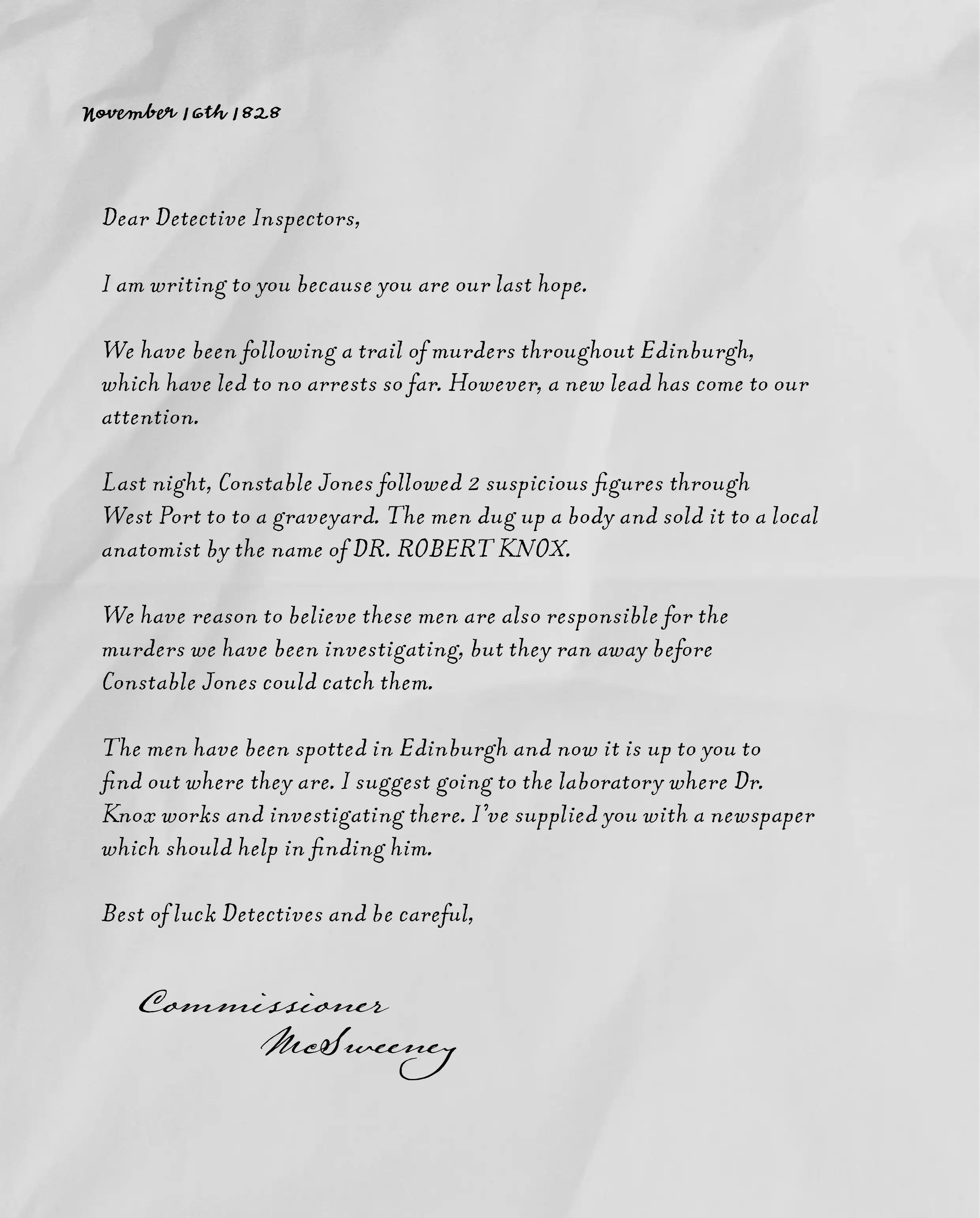
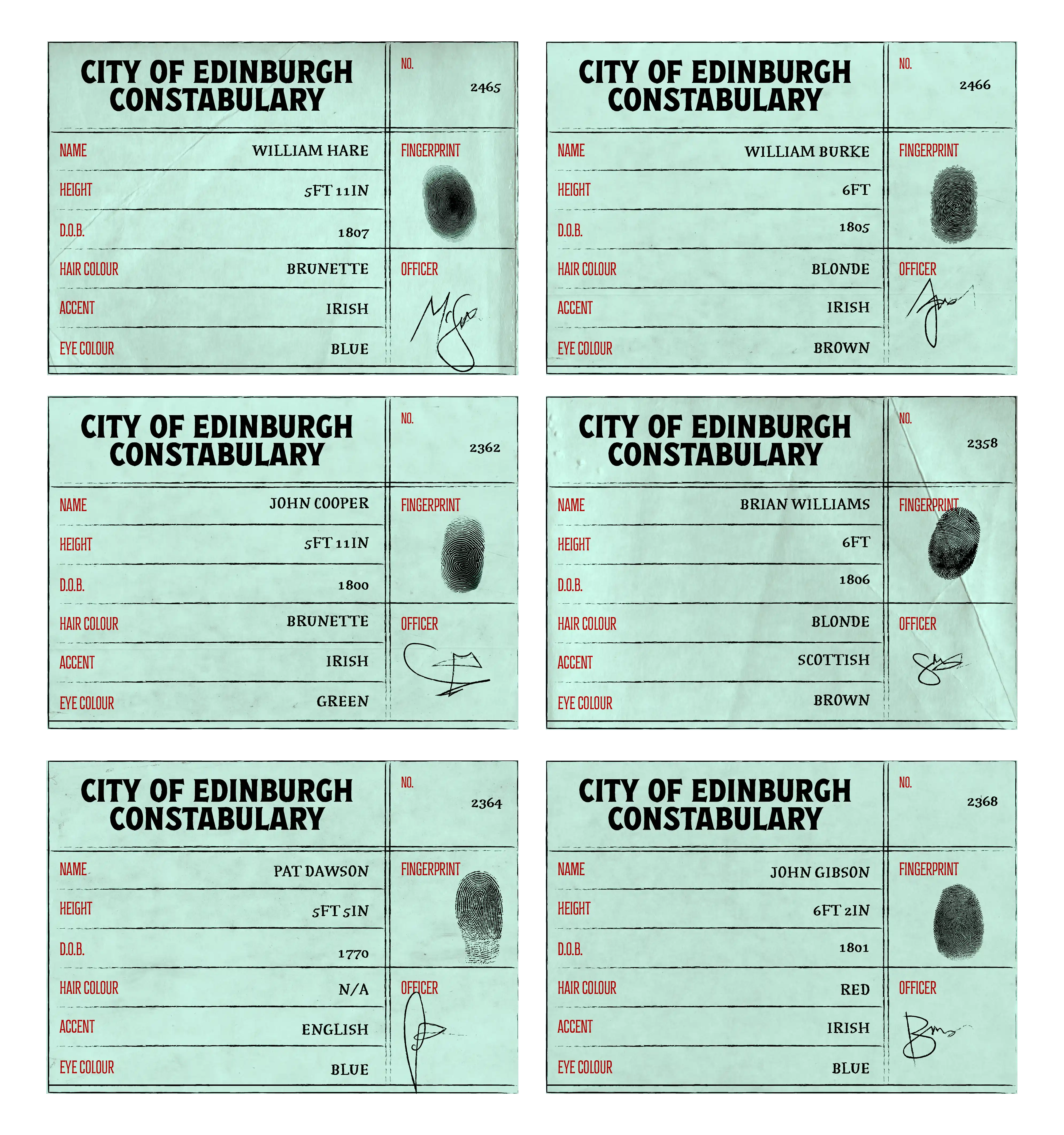
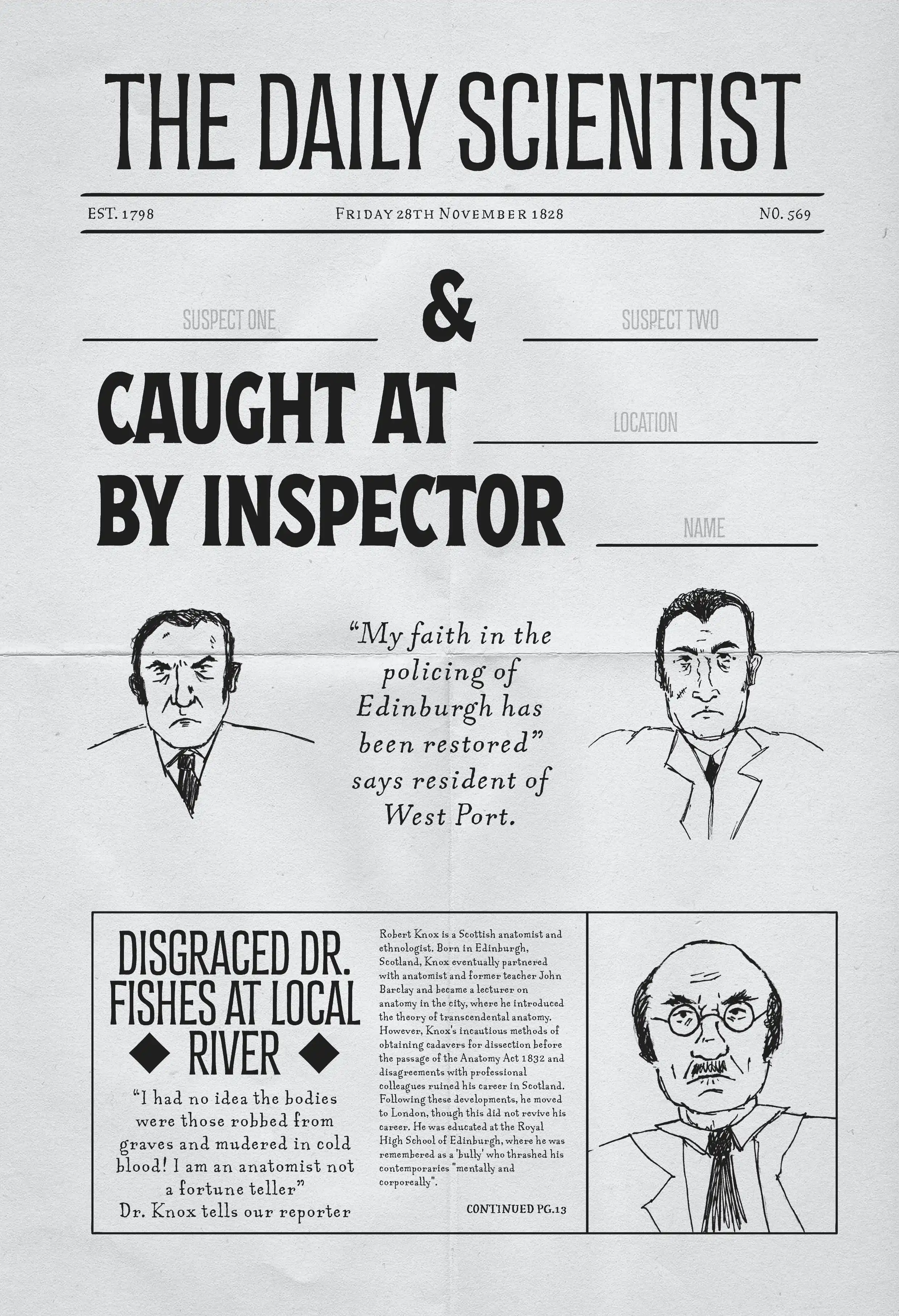
"The year is 1828, Edinburgh is at the leading the way in anatomical medical research. A doctor by the name of Robert Knox has been making significant advancements in his field, however there has been suspicious whisperings around the capital about where he sources his bodies. McSweeney suspects foul play, these bodies are fresh. He believes Dr. Knox may be connected to a string of recent murders and grave robberies, so he's contacted you, Scotland's best detectives to assist him."
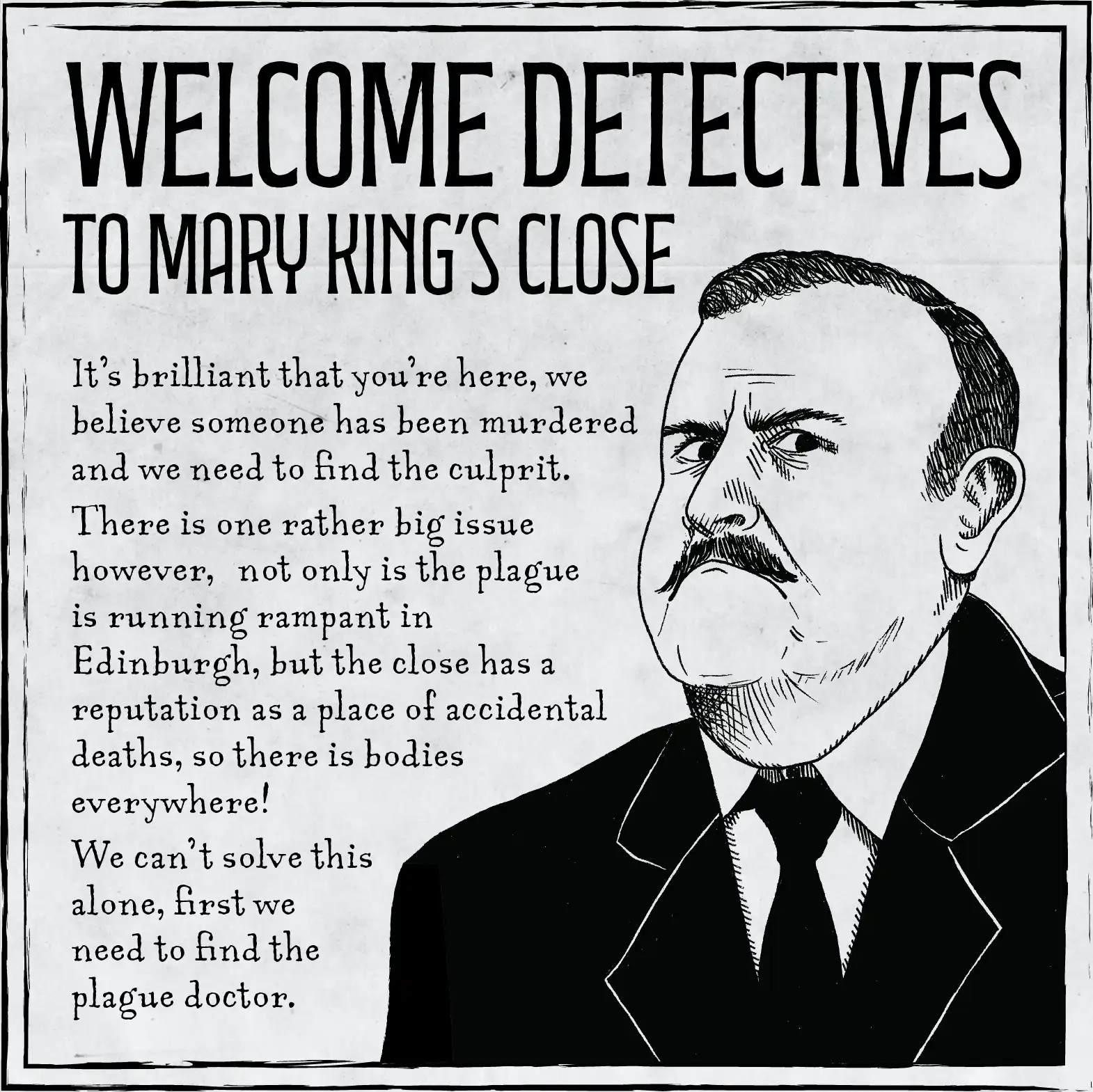
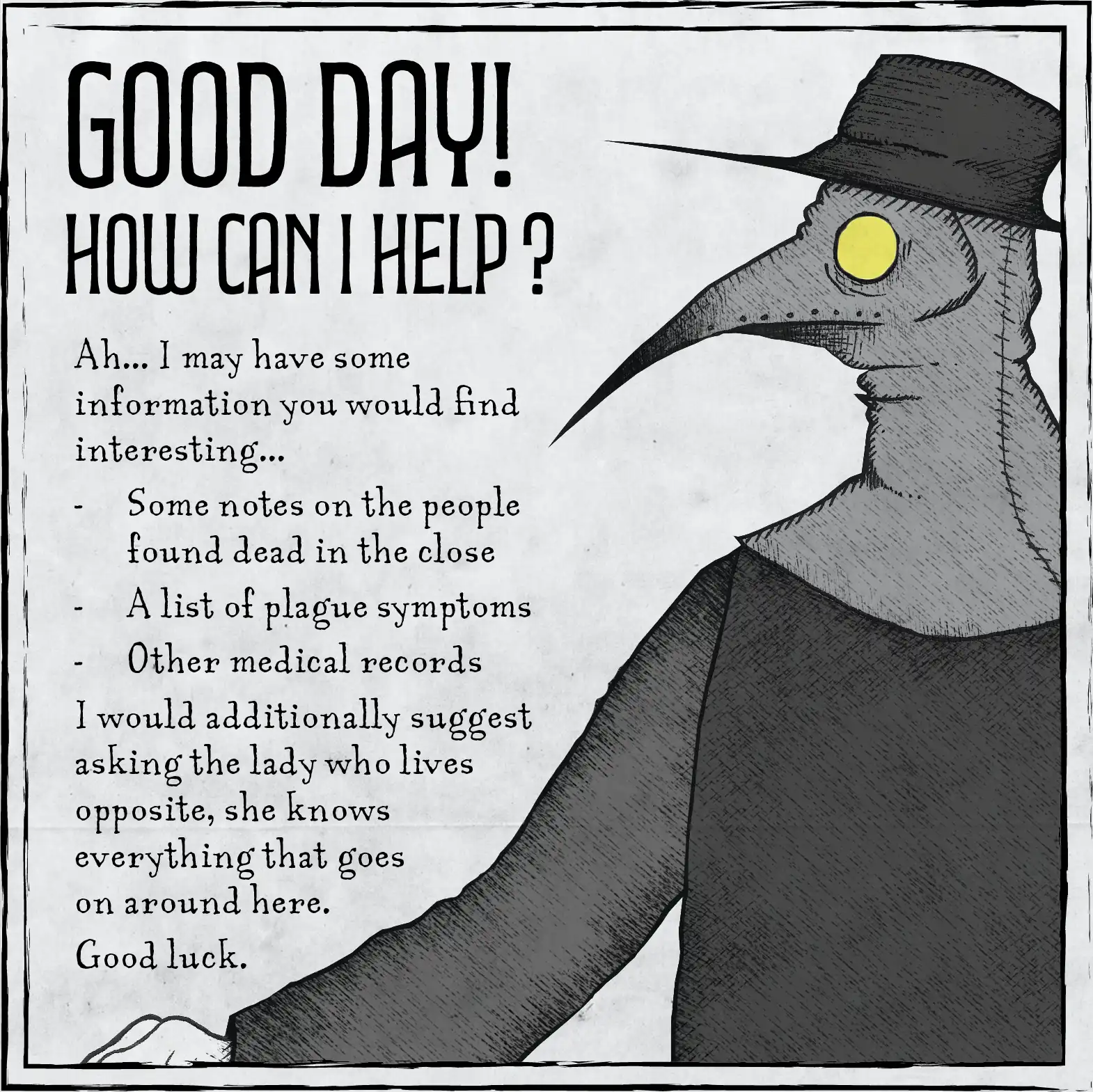
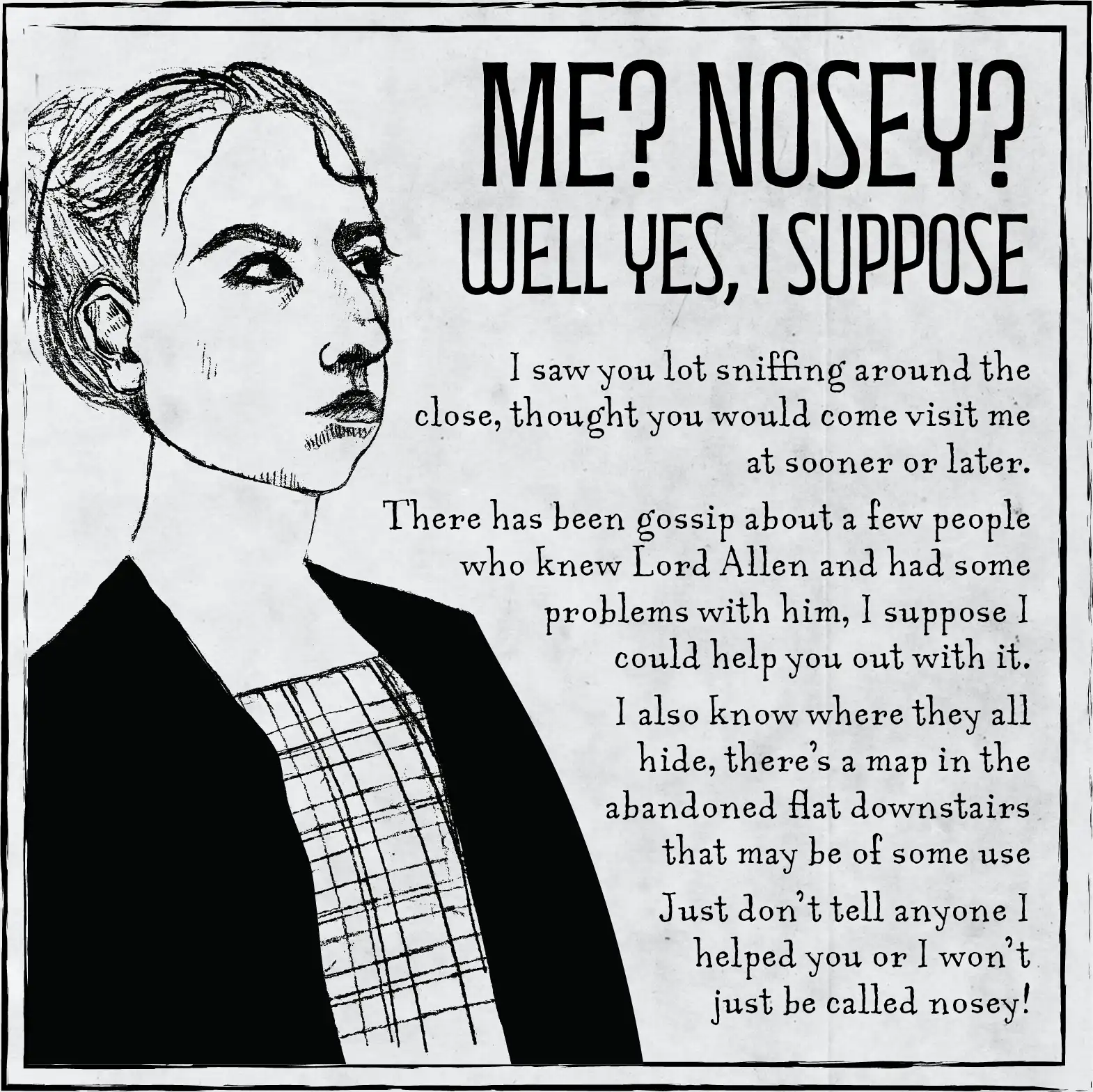
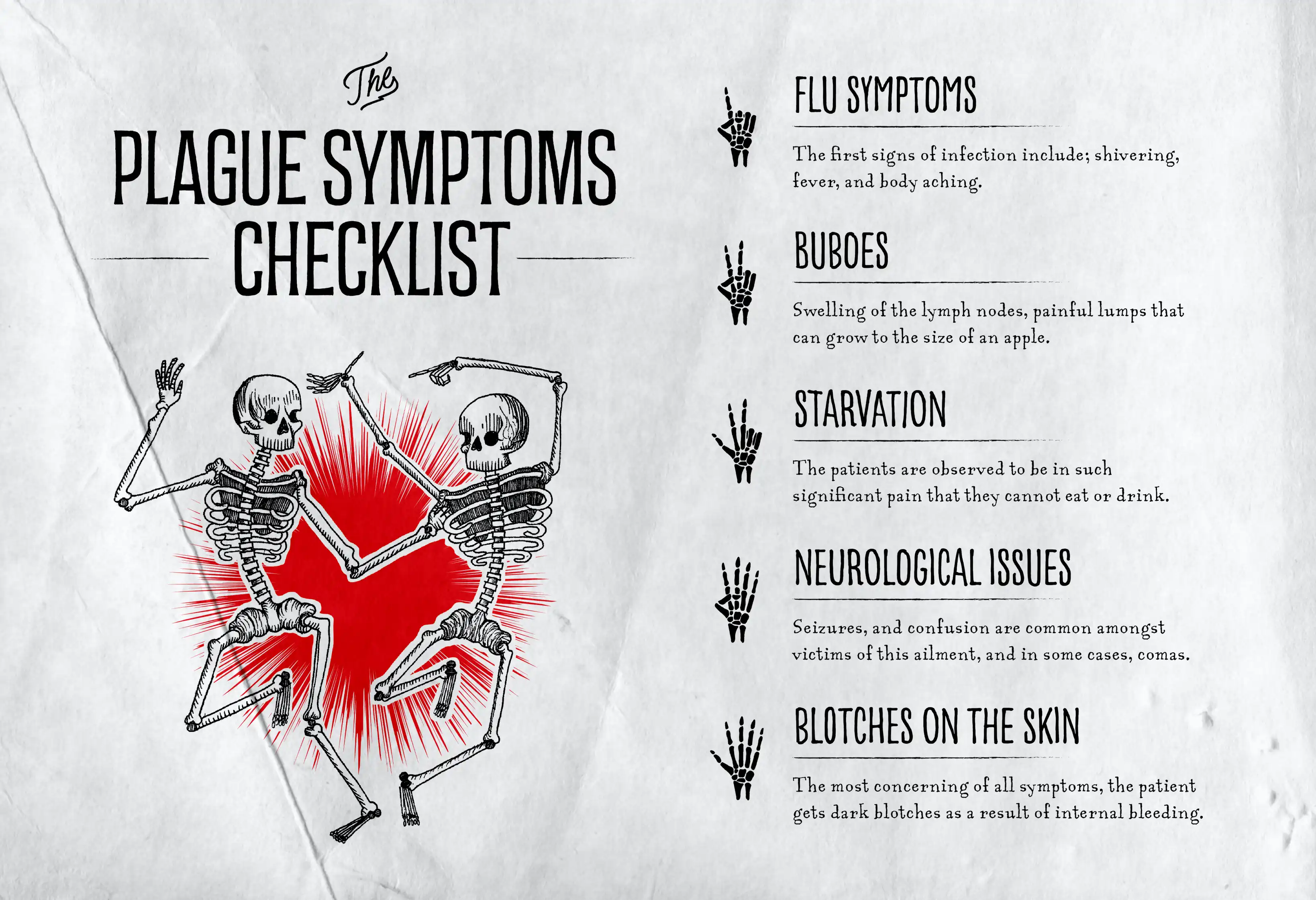
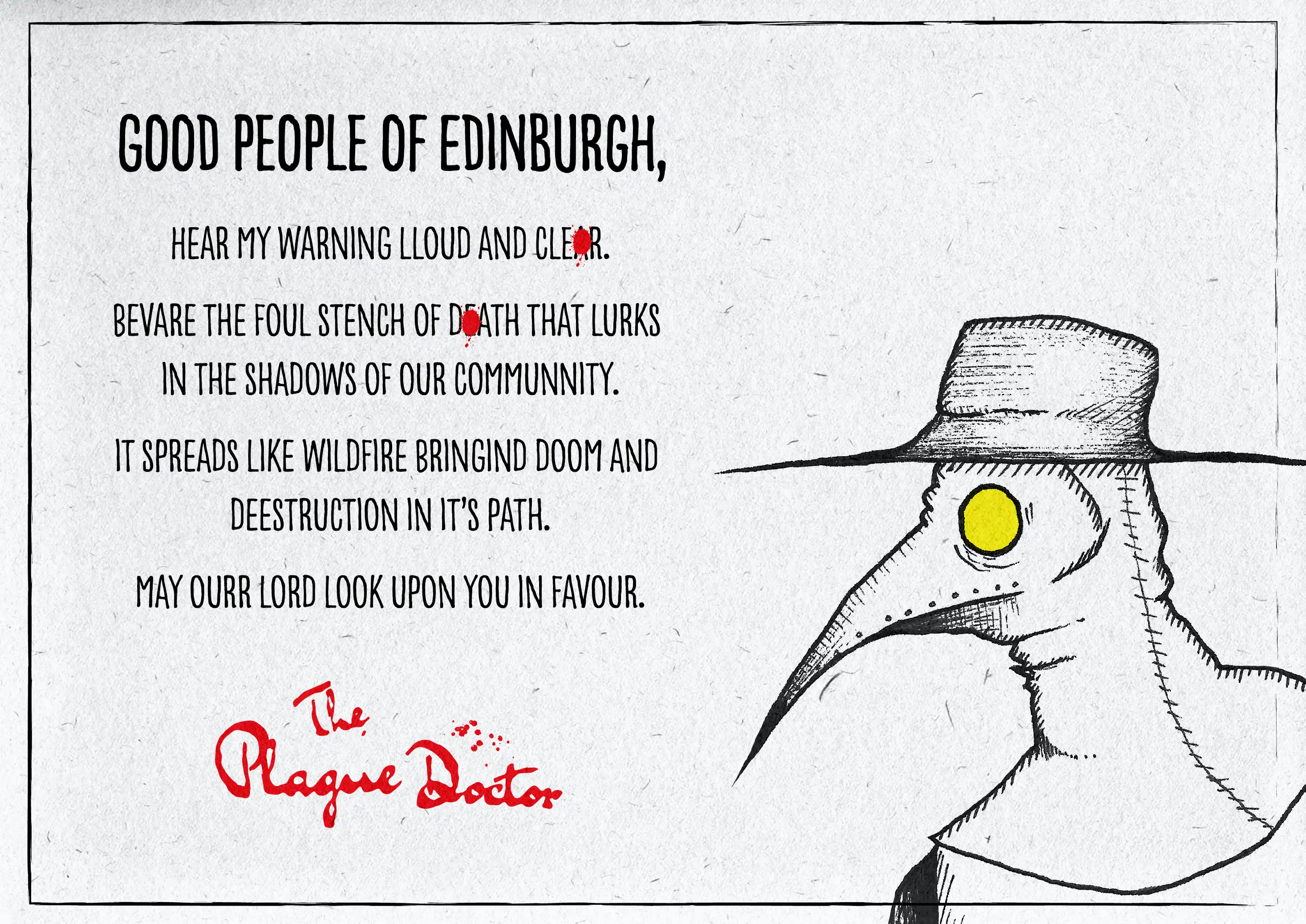
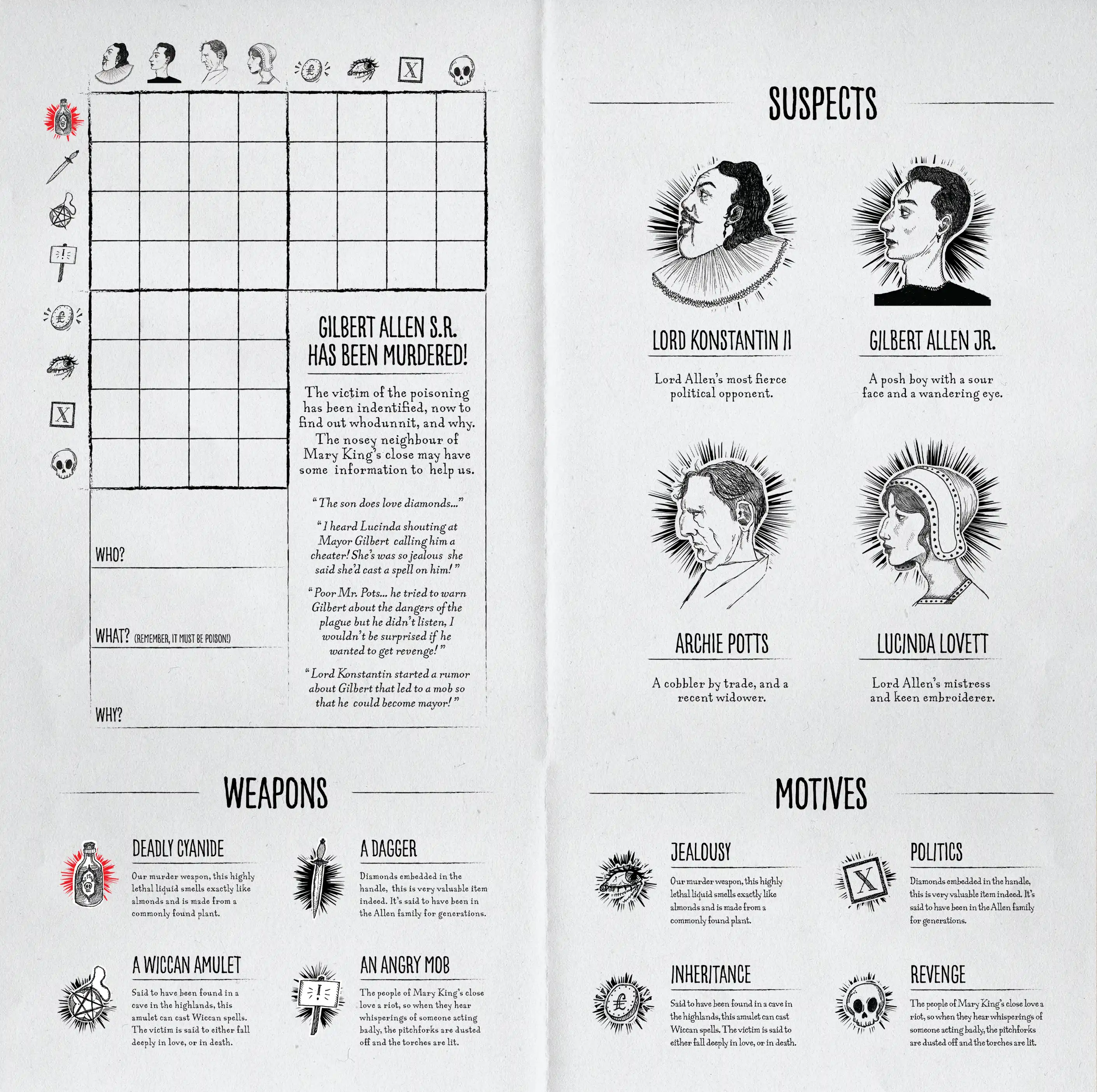
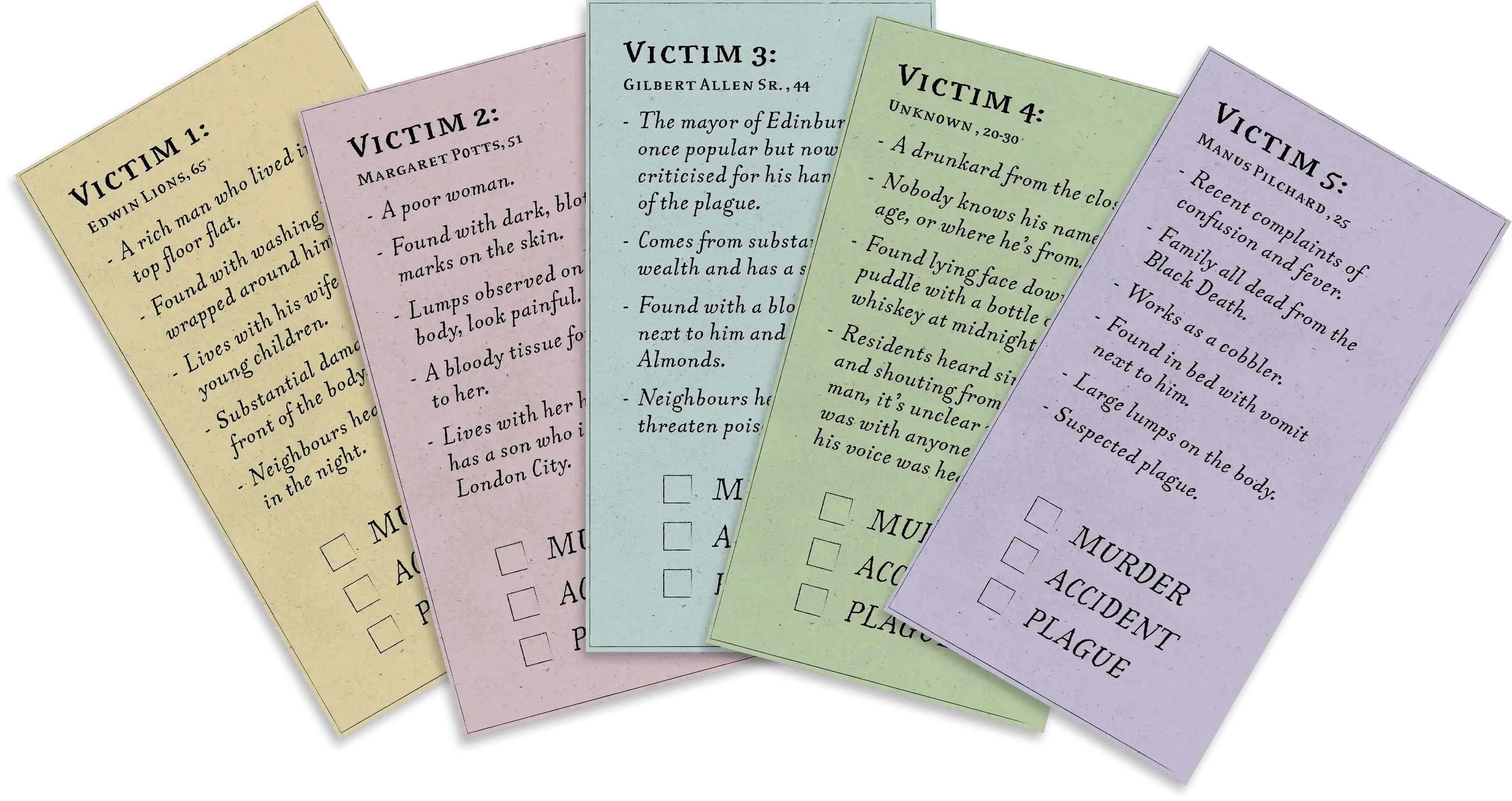
Box 2: Murders in Mary King's Close (The Plague)
The Backstory:
"The year is 1646, the Black Death has just hit Scotland's capital city, but that's the least of Commissioner McSweeney's worries. A murder has taken place in one of Edinburgh's most infamous streets, Mary King's Close. There's been accidents, murders, and now deaths caused by the plague, it's too much for McSweeney to handle himself, which is why he's called on you, the best detectives Scotland has to offer."
Research and testing
Methodology
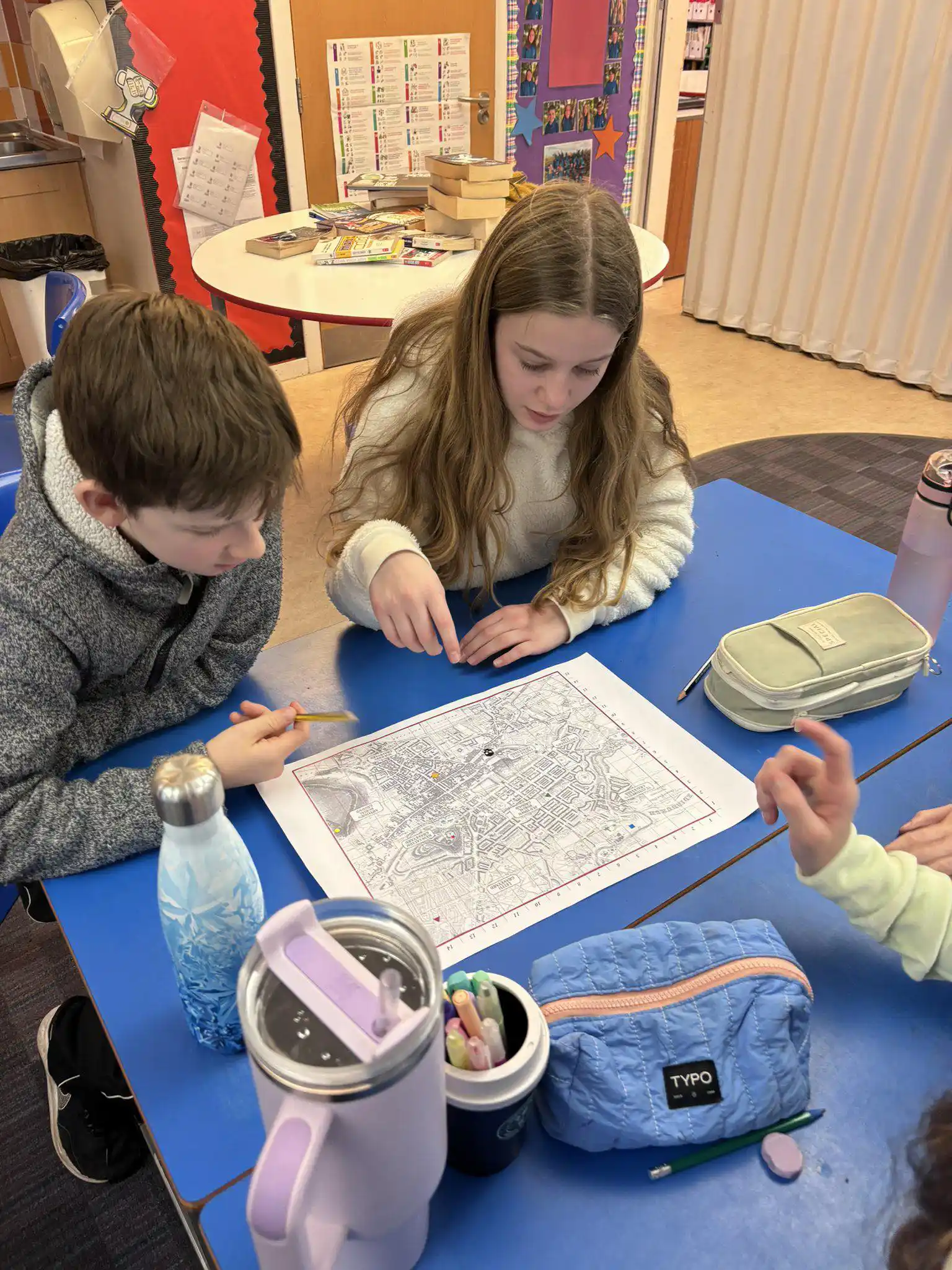
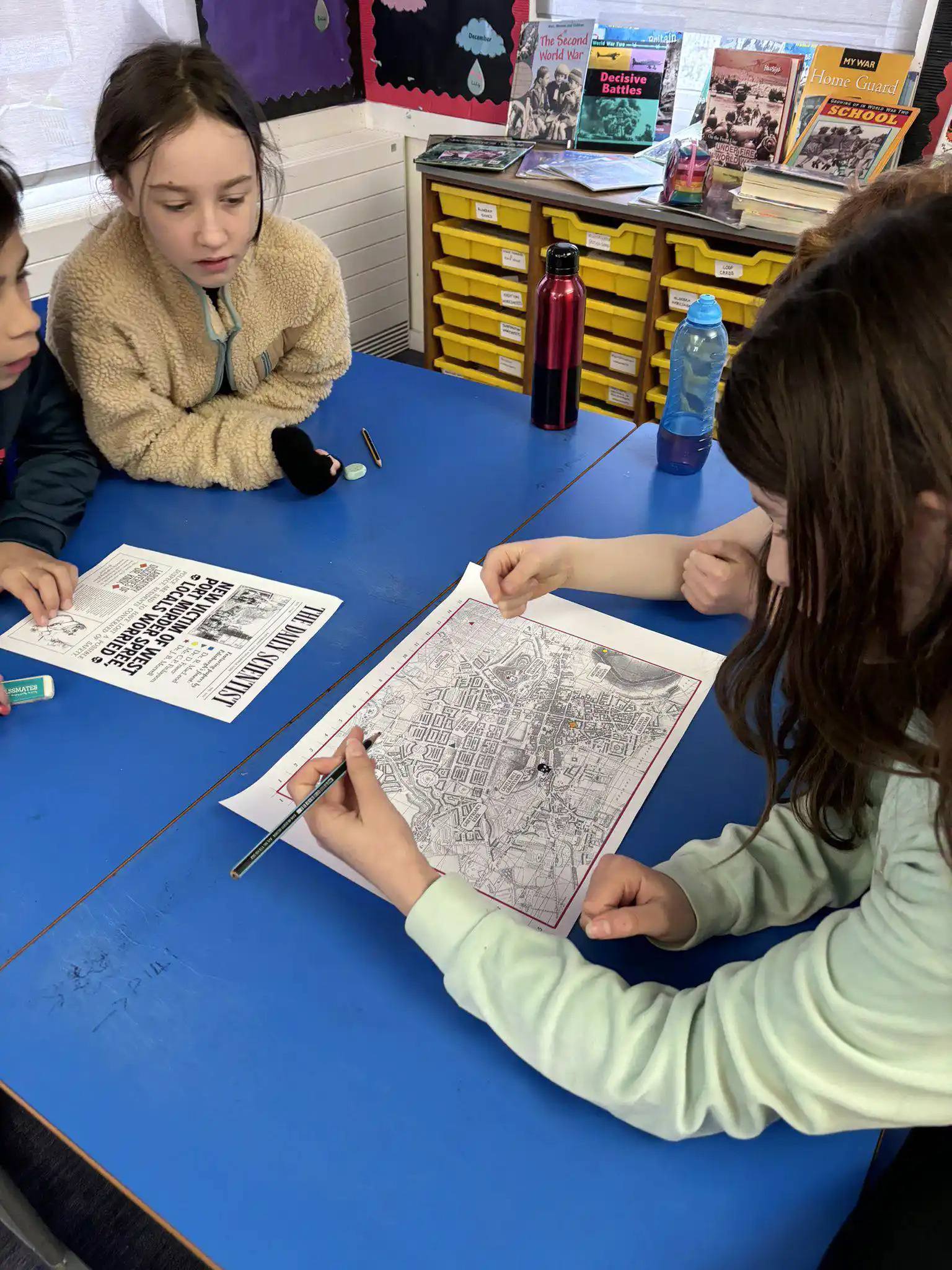
Throughout the game, I observed the pupils working together and communicating really well, they discussed the puzzles and possible solutions heavily and were sharing ideas about how to solve the puzzles. Another observation was that the students were all very engaged with the puzzles, their conversations were about little else, and when you looked across the classroom they all had their heads down and were focusing on the solutions.
The students were incredibly interested in the box when I first came into the room, opening the locks and using the UV light was very exciting for them, and at the end they were delighted to look through it all. During the lesson I used a camera connected to the smart board to show the rest of the class what the group interacting with the box was seeing.
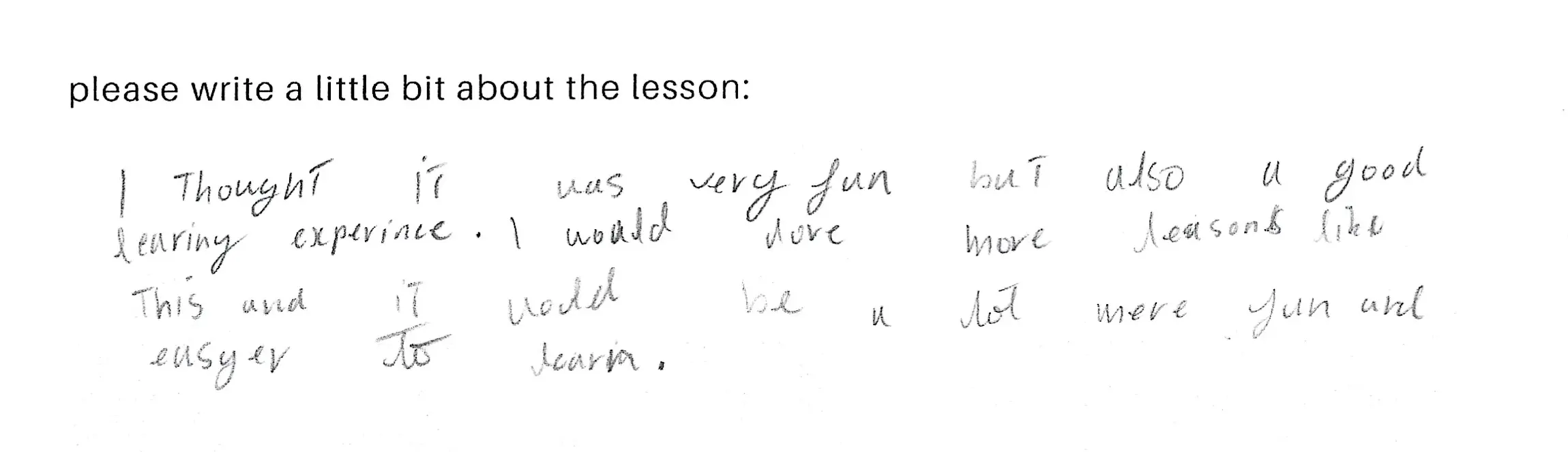
In the majority of the responses from the students they used the word 'fun', all of them thought they worked well as a team, and almost all of them strongly agreed with the fact they were engaged during the lesson. The only negative feedback I received was during the focus group, when I pushed for any criticism, a few of the students didn't enjoy the teamwork aspect, but when I spoke to the class teacher afterward she said they often don't enjoy group activities; the other feedback was that the puzzles were too easy, so I made the Mary King's Close box more challenging and aimed the Burke and Hare box towards a younger key stage group.
Results