Project 01
2023/25
Lido
Encouraging locals and tourists to discover and connect with the past.
Lido is an experiential trail along Dunbar's coastline, exploring the sites and remains of the pools that once made the town a seaside holiday destination.
BRIEF
This project is in response to a 2024 ISTD brief, 'Death of the Centre'.
It asks to "create an experiential typographic intervention that asks audiences to reengage with their local town or city". It suggests this could be a way to inform people about local histories and to consider how typography can be used to reconnect locals with their town.
BACKGROUND
From the late 19th century till the 1980s, Dunbar was home to a seawater swimming pool, during the height of the tourist season the town's population would double.
The pool was demolished in November 1984, the rise in cheap international travel meant it fell into disrepair and the site was restored to it's natural state.
OUTCOME
An experiential trail hitting key points that relate to the history of the pools.
Each checkpoint encourages the participant to engage with it through their senses. For example the second checkpoint has multiple areas in which the ruins can be found, including an old bench at the side of the rock that was at the heart of the Gentleman's Pool. While there, the participants are encouraged to listen to what they can hear and what other sounds there may have been at the time, feel the rock face and the cold water, smell the sea air, and to read about the memories of the pool in the supporting book.
This last point is an important part to the trail as one of the main aims would be that, during the creation of the book, Dunbar locals are interviewed about their memories of the pools and their feelings at the time. The hope is that the creation of the trail would be a community effort, there's already some stories detailed on the website for the Townhouse but to have a physical copy and for their words to be illustrated using typography alongside their images would mean that it could be passed on for more people to hear it.
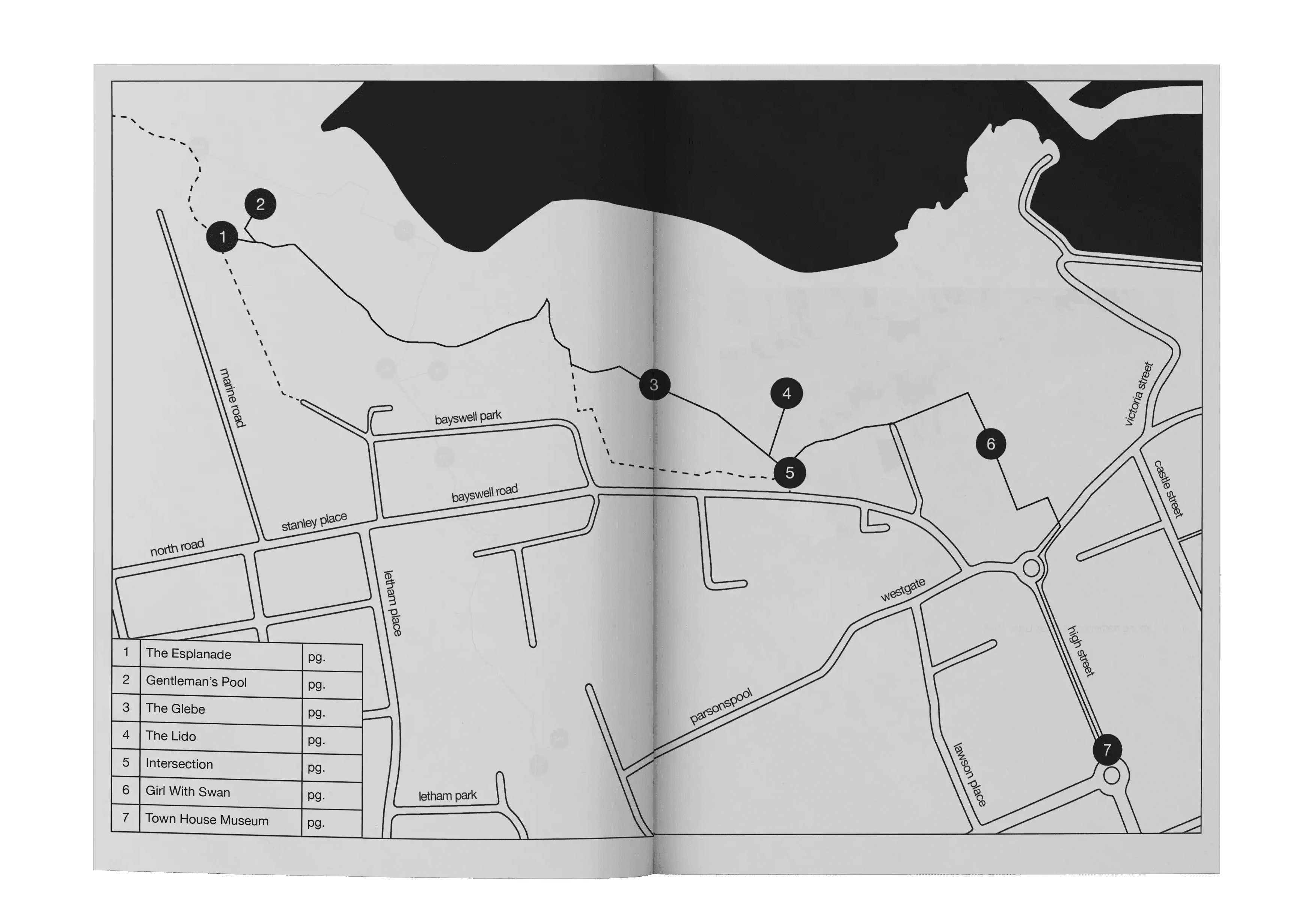
The trail and it's checkpoints
Having grown up in Dunbar, there's an argument to be made that the town is divided in two - the old and the new. This divide is felt in the town, and with the significant amount of new houses being built on one side of the railway tracks and a proposal for a new retail park, and the high street on the other, an argument is made that the sides aren't often crossed.
What I'd hope to come from the trail is a sense of community, to bring those who are new to the town to discover the history, and for everyone, no matter what side of the tracks they've come from, to take a moment to think about the environment around us and investing in our local amenities, towns, and people.
A supporting book using typography, image manipulation, and mixed bound pages.
Acting as the guide for the trail would be the supporting book containing a map, suggestions for interacting with the environment, information on the history of the pools, and, most importantly, stories from the people that were there to witness it. Certain words and quotes are emphasised by using the typography and the weight of the paper, on one page you would see a paragraph, with some words slightly faded to give a sense of them fading away, eroding as it were; and when you turn the page you see those words by themselves, giving them dominance over the page, reflecting that engaging with the environment and the sites brings the stories and the memories back to life. The pages have tight margins to feel as though the words could spill off the edge of the book, flowing like water.
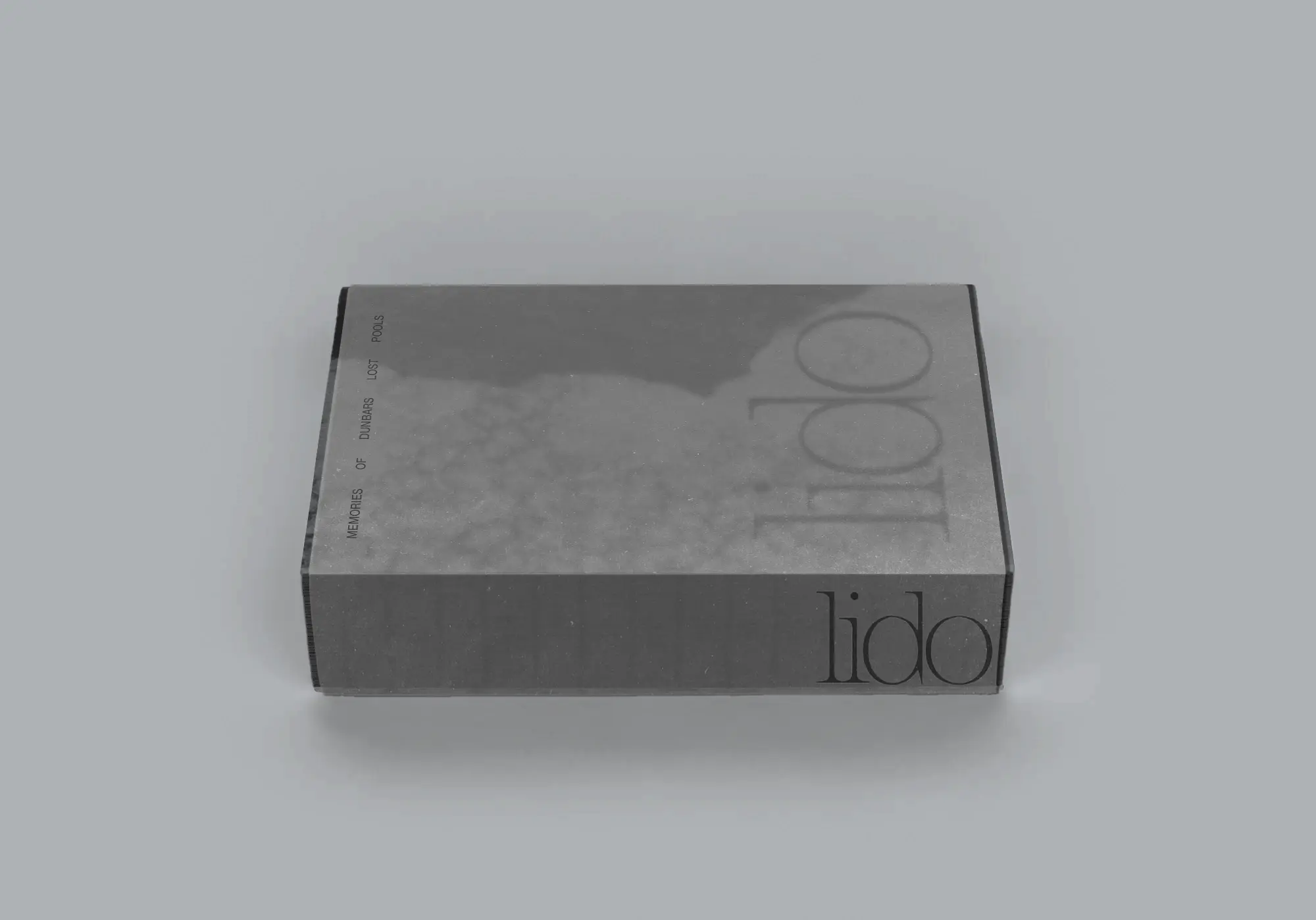
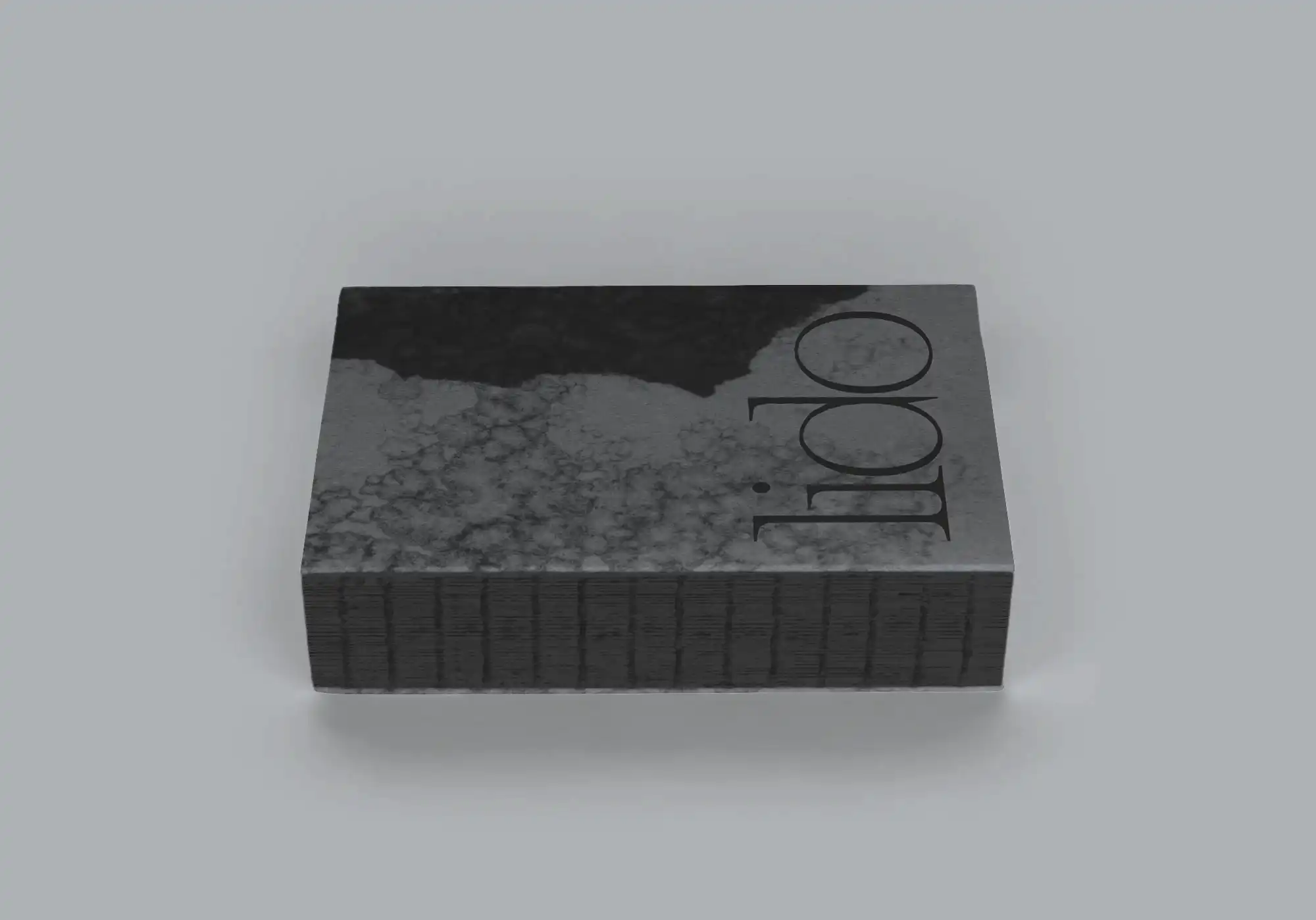
The book would be open bound. For one, this allows for a flat lay, which allows the layout to blend seamlessly over multiple pages, but also because it's tactile - it gives a rustic, hand crafted feeling, which mirrors the rugged landscape. The dust jacket is made from tracing paper, giving an insight to the pages inside but, again, to create the sense of fading. The title has been deliberately placed under the jacket to feel as though it's distorted by water, and the image on top represents the landscape and the waves splashing. The covers would be made from heavy card stock.
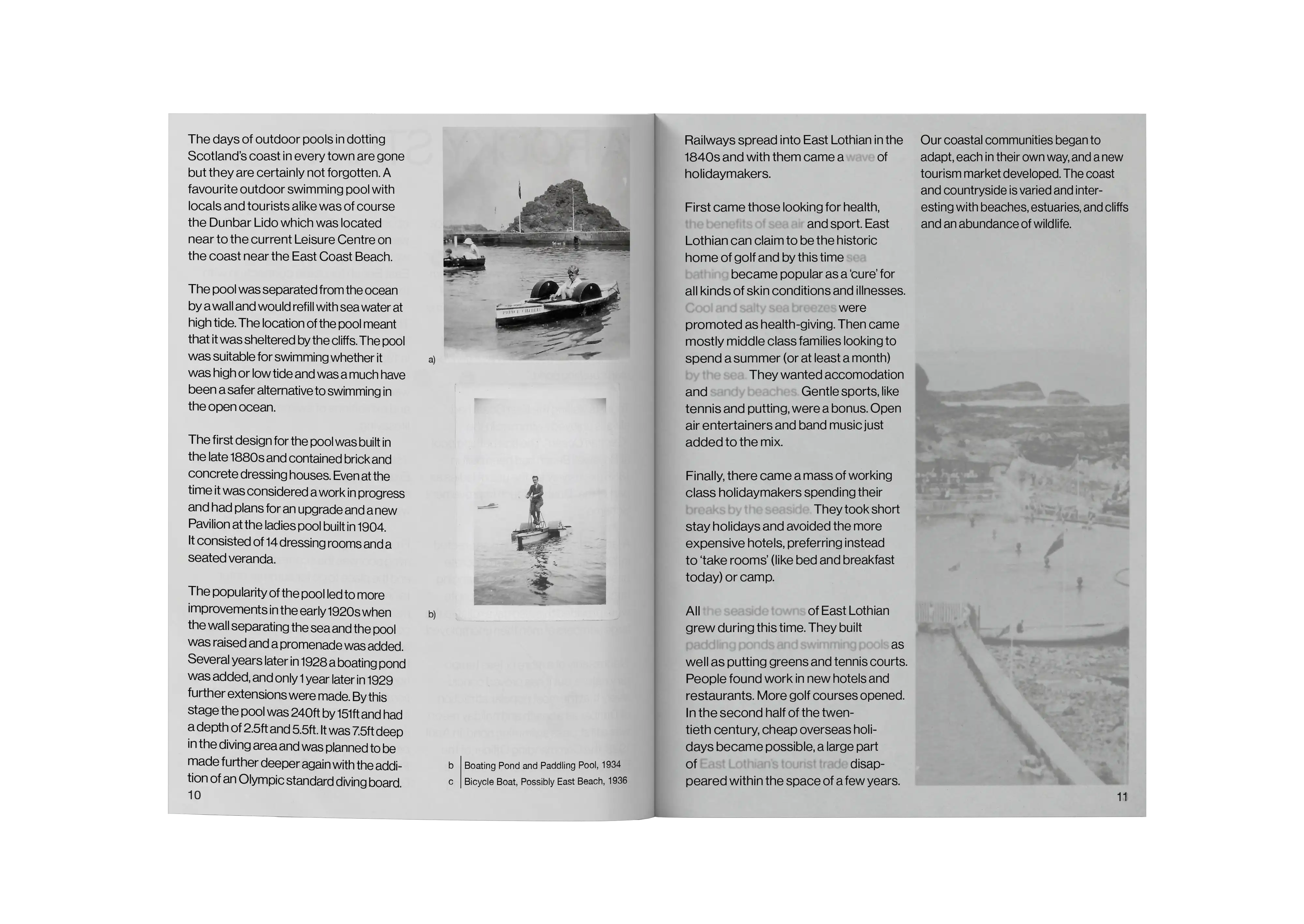
An example of the words on the next page being seen through into the previous
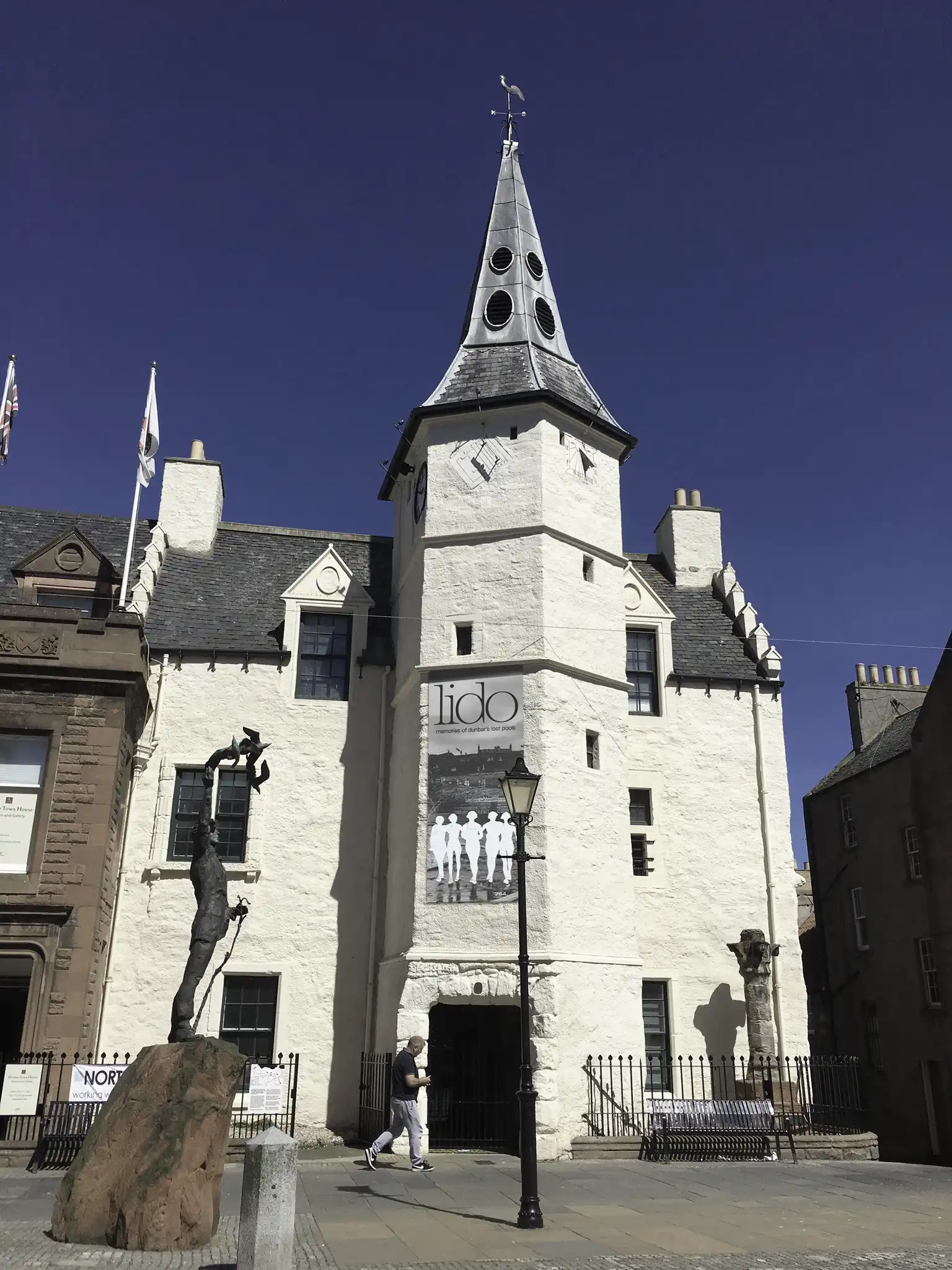
An exhibition at the Townhouse Museum.
An exhibition will be held with items from the time, including bathing suits, boats, and postcards, on the walls would hang posters. The posters may have pages from the book with the words that would have been faded projected on top of them, or images of people at the baths with quotes projected over them. In addition to this, there would be a participatory project where the people who have explored the trail will be encouraged to provide conceptual maps, rubbings from the rocks, pictures, or notes with their thoughts. This could then be turned into a exhibit itself.
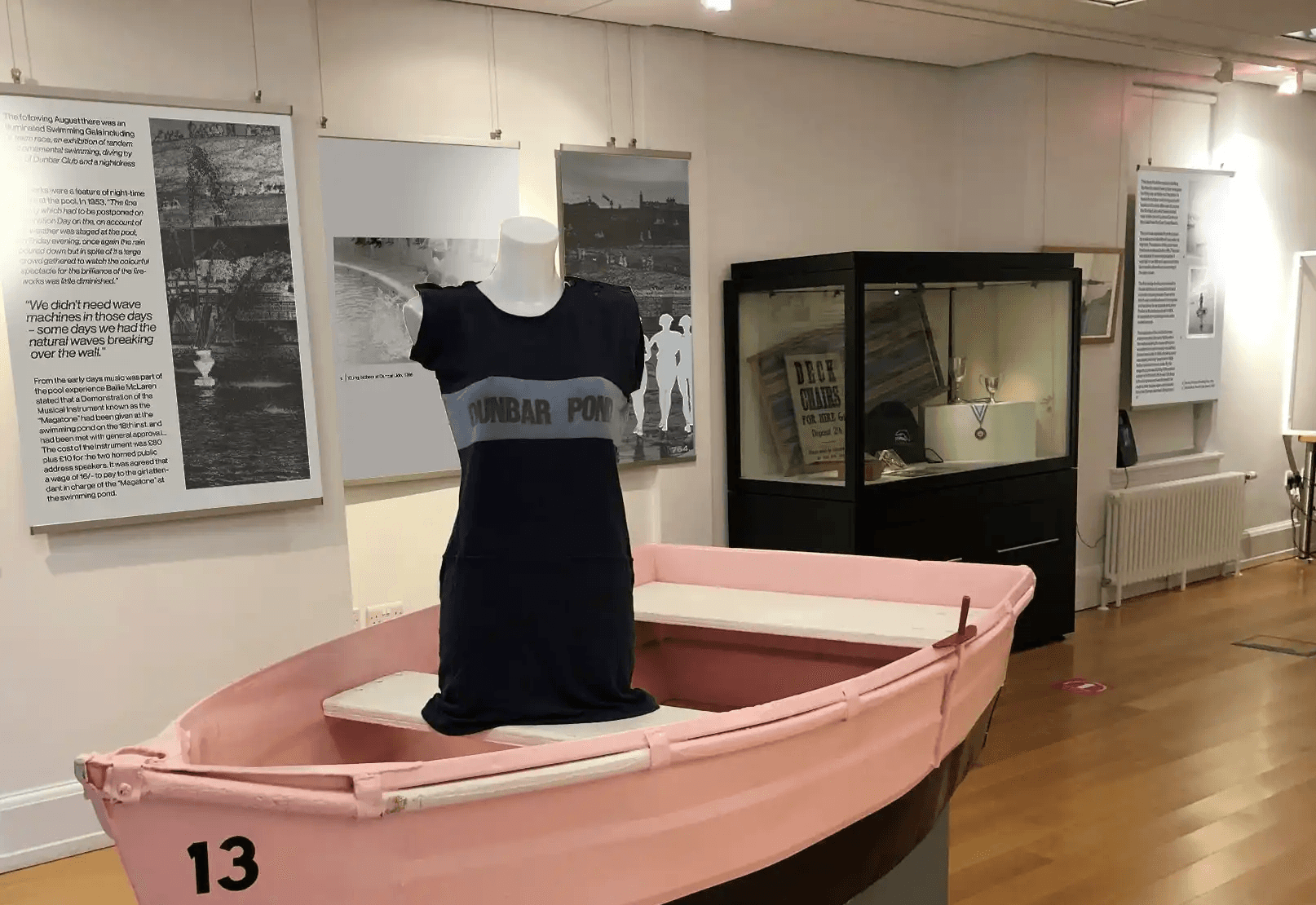
How the exhibition at the Townhouse could look
Spreads from 'Lido'
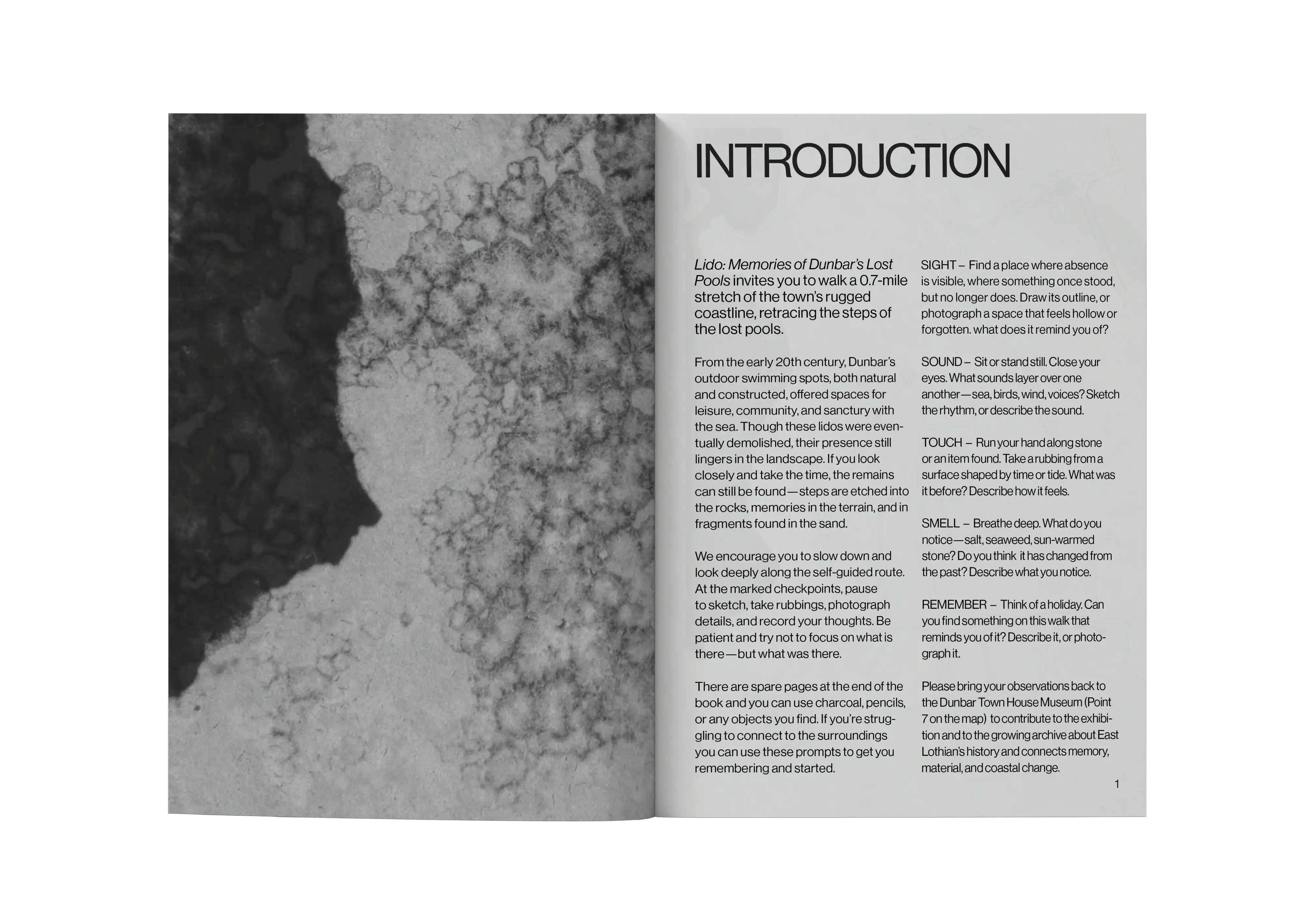
detailing how the participants may interact with the environment
( L, Cardstock; R, mid weight paper )
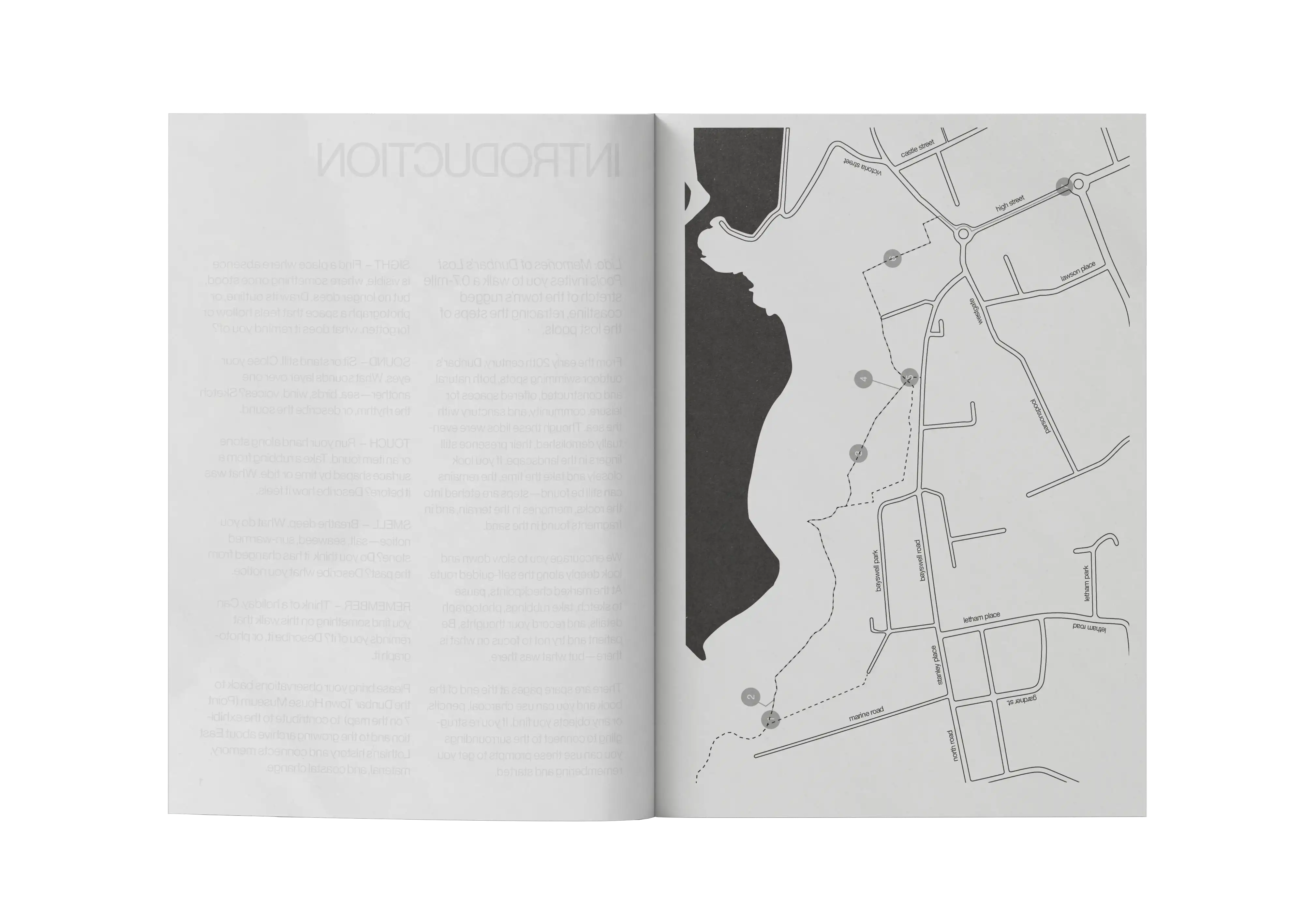
The map with the trail showing through from the next page
( L, Mid weight; R, light weight paper )
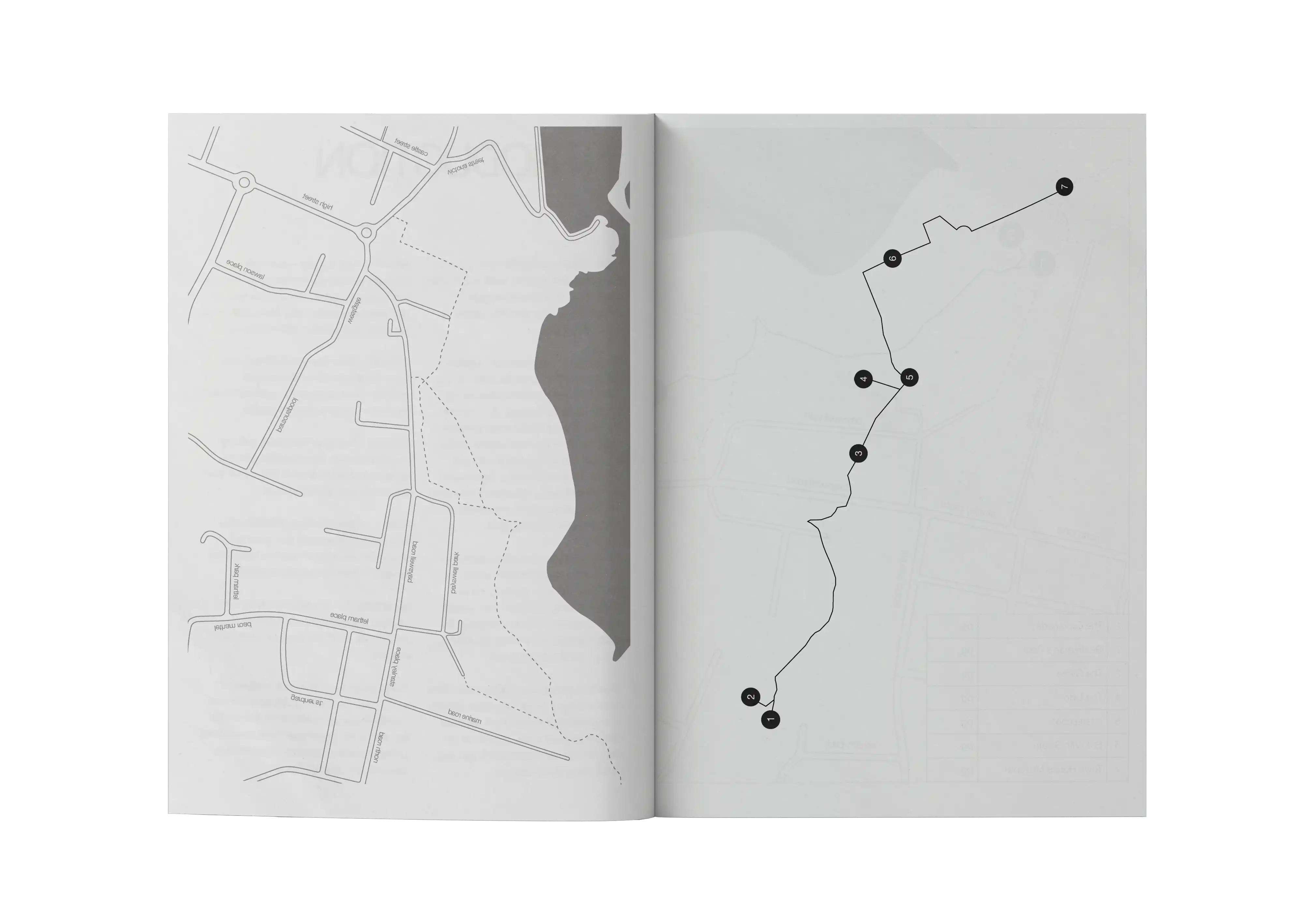
The trail just by itself
( L, Light weight; R, mid weight )
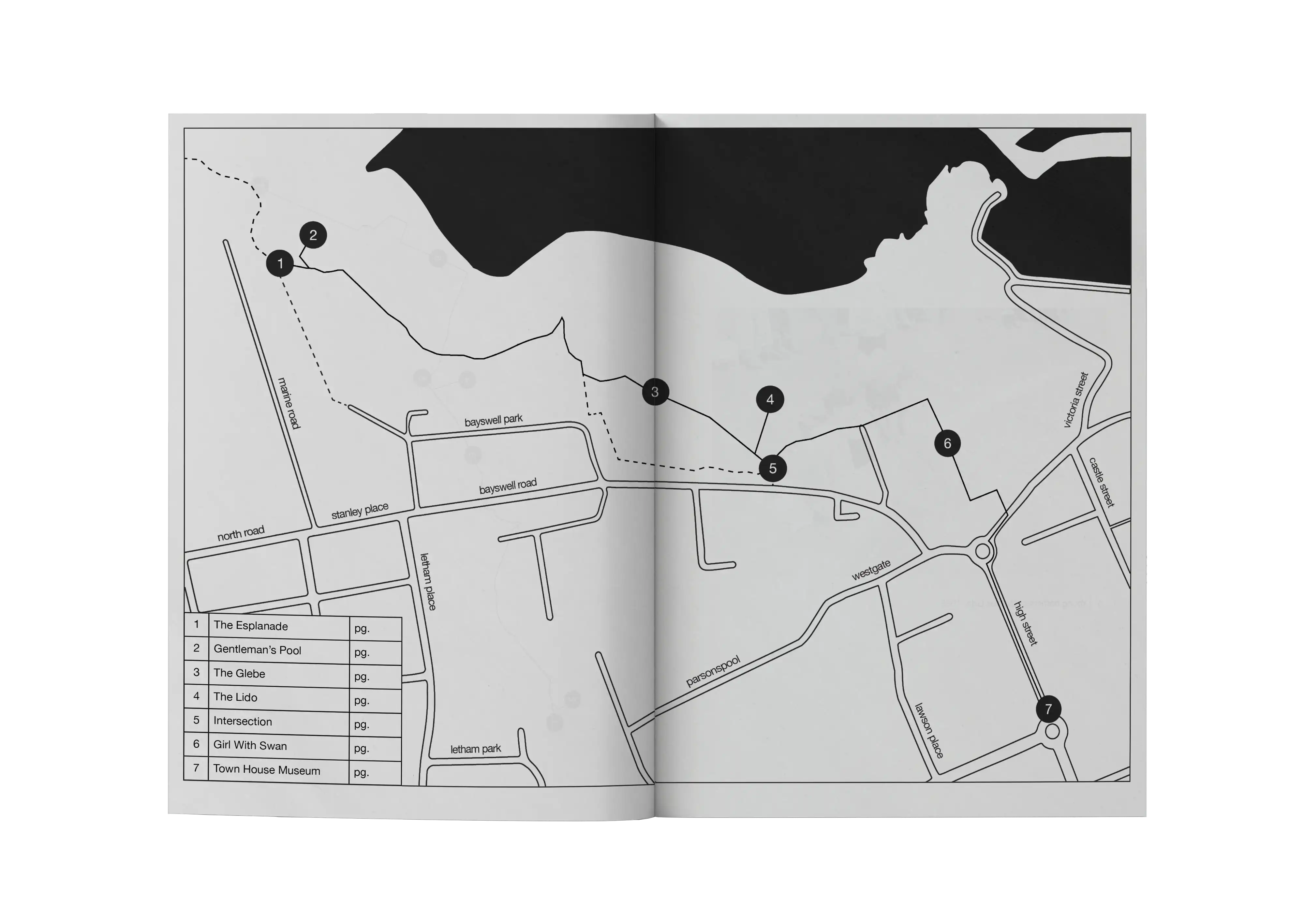
The full trail, map, and key
( Mid weight )
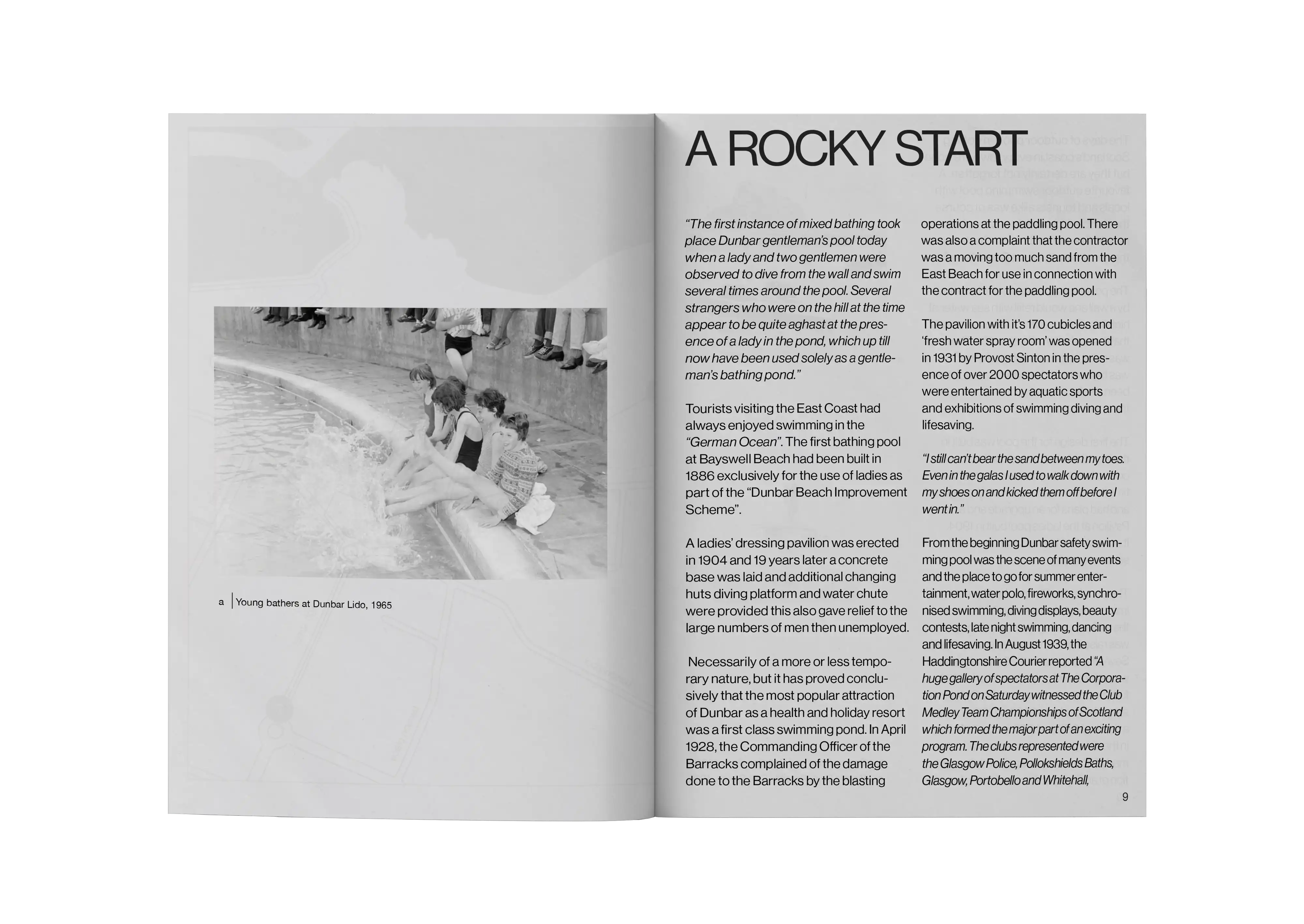
The first page of a chapter
( mid weight )
Example of the paper weight being used to play with the typography
(L, mid weight; R, Light weight )
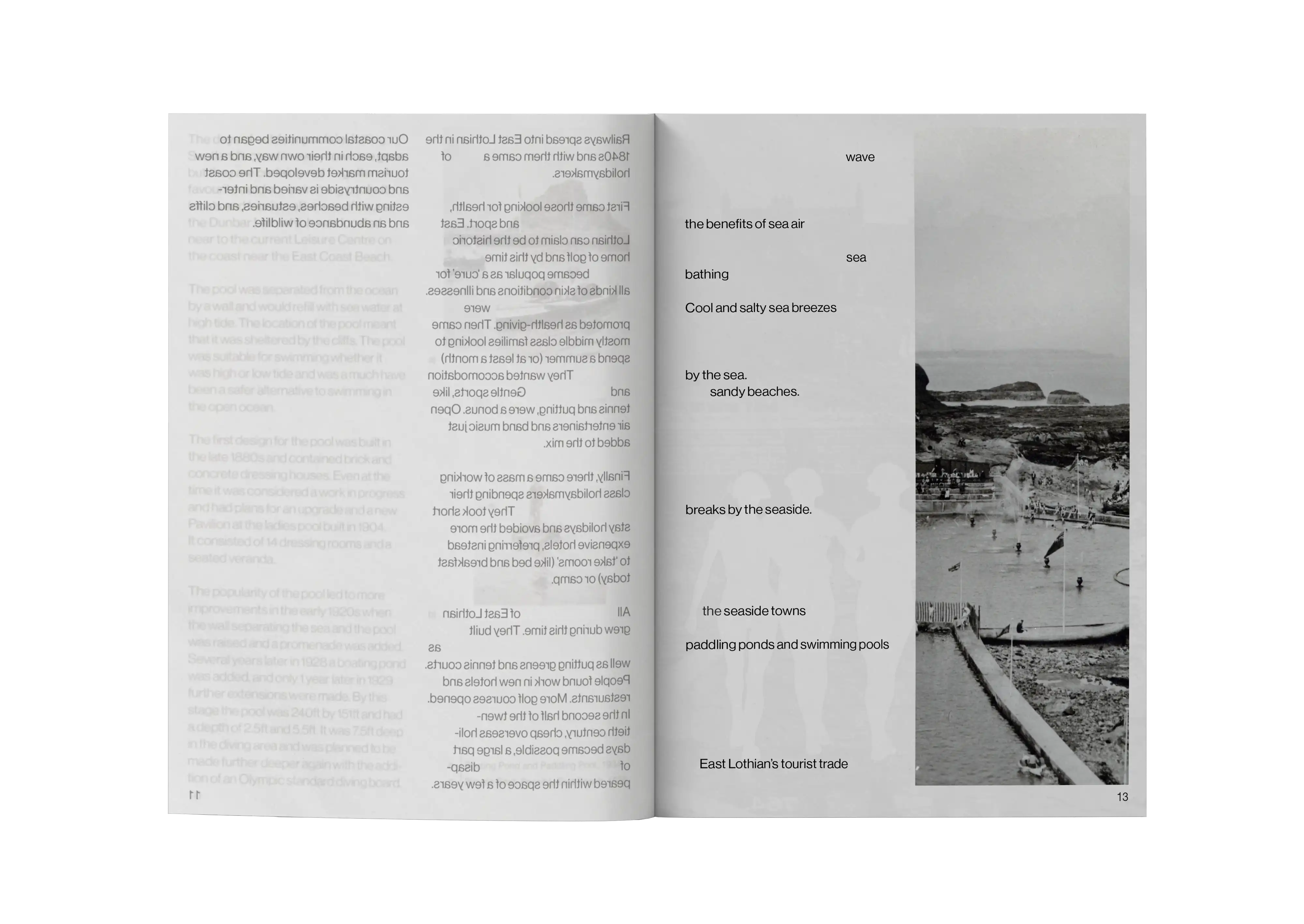
The words highlighted by themselves on the page
( L, Light weight; R, Mid weight )
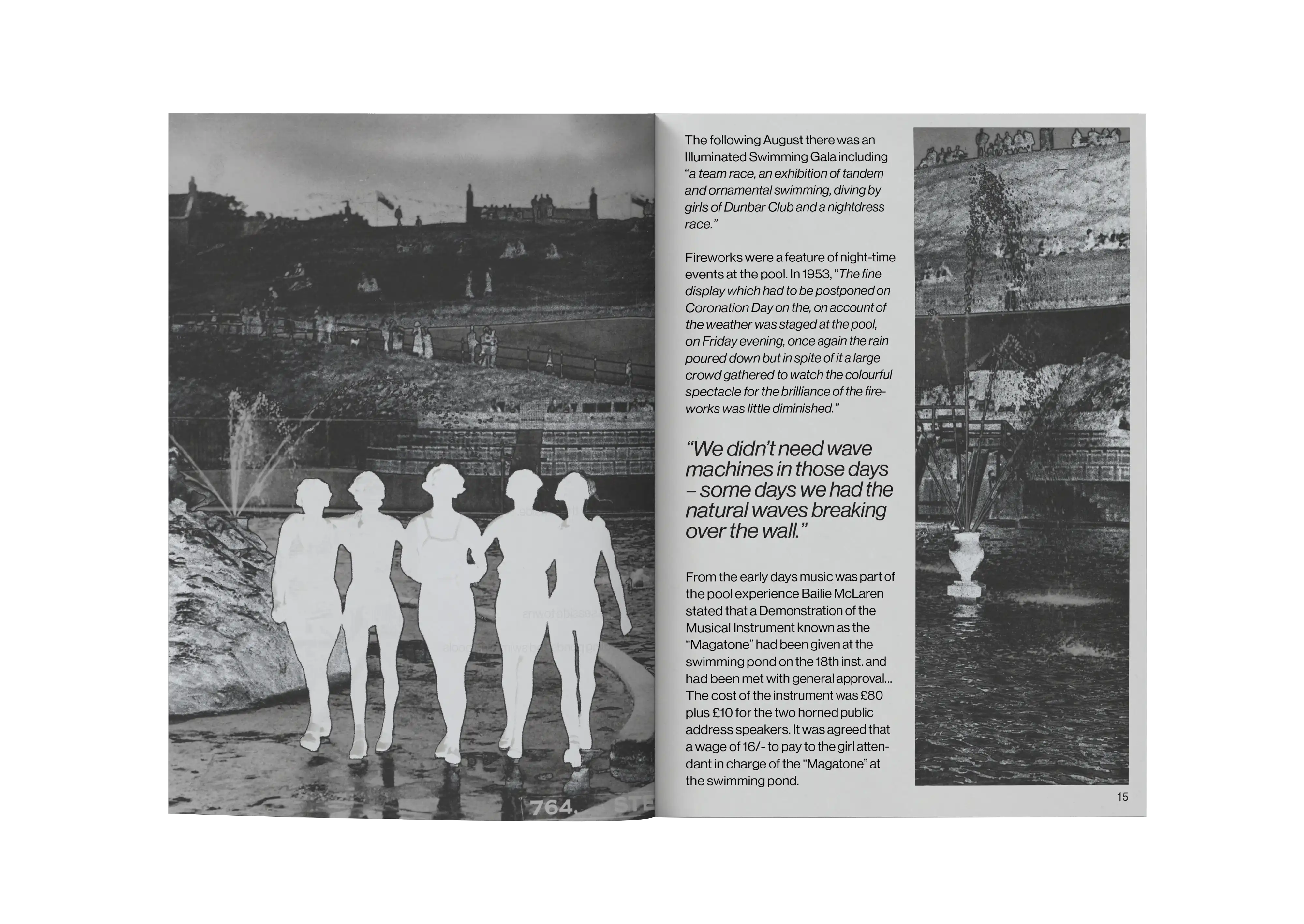
Example of image manipulation to communicate the lost memories
( Mid weight )